 World inside pictures Collect and share the best ideas that make our life easier
A free Saturday, a pile of new parts, and a car waiting in the driveway can make it tempting to start wrenching before lunch. Then one stubborn bolt eats an hour. A missing gasket sends you searching for parts, and before you know it, you’re taking shortcuts just to get the car back together before dark.
You probably know how this story ends. The money you hoped to save disappears into replacement parts or another weekend spent fixing what went wrong. Sometimes, the car ends up at a shop anyway. Here are the most common car mods that cost more when you rush the job.
Cheap Parts Become Expensive Problems
Many costly projects begin when someone orders the first inexpensive part that appears to fit. Two parts may claim to work with the same model yet use different hardware or dimensions. One may also require supporting components that the product page barely mentions.
Before you buy anything, read through the installation requirements. Check whether the manufacturer lists additional hardware for your specific vehicle, then compare that list with what you already have.
The cheapest version of an upgrade rarely feels cheap after you have to buy it twice!
Turbo Upgrades Punish Skipped Prep
Turbo work rewards patience because the replacement unit depends on several surrounding systems working properly. Before installing a new turbo, take the time to figure out why the old one failed. Oil starvation may have damaged it. A restriction somewhere in the oil supply might also be part of the problem.
If you ignore the original cause, you could put the new turbo at risk from the moment you start the engine. That’s why deciding between DIY and professional turbo installation matters. The job involves more than removing one component and bolting in another. A capable home mechanic often needs the right tools and enough time to inspect the related systems before installing the replacement.
Prime Before You Push
Never treat the first startup as the finish line! Follow the turbo manufacturer’s priming procedure before running the engine normally. Confirm that oil is reaching the turbo before asking it to handle boost. Once everything is installed, inspect the connections carefully before driving hard. The fun part comes later! Give the new hardware a proper start first.
Suspension Work Needs More Than Bolting Parts On
Lowering a car can look simple until you start dealing with suspension geometry.
Install lowering springs or coilovers too quickly, and you create alignment problems that wear out expensive tires. A poorly adjusted ride height can also change how the car handles bumps and sudden weight transfers.
Before removing anything, measure the car’s original ride height. Those measurements give you a useful reference when you adjust the new setup. Pay attention to torque as well. Tighten each fastener to the vehicle manufacturer’s specifications instead of relying on how tight it feels.
Once the installation is complete, schedule an alignment. Don’t wait until you notice uneven tire wear. By then, the money has already left your wallet!
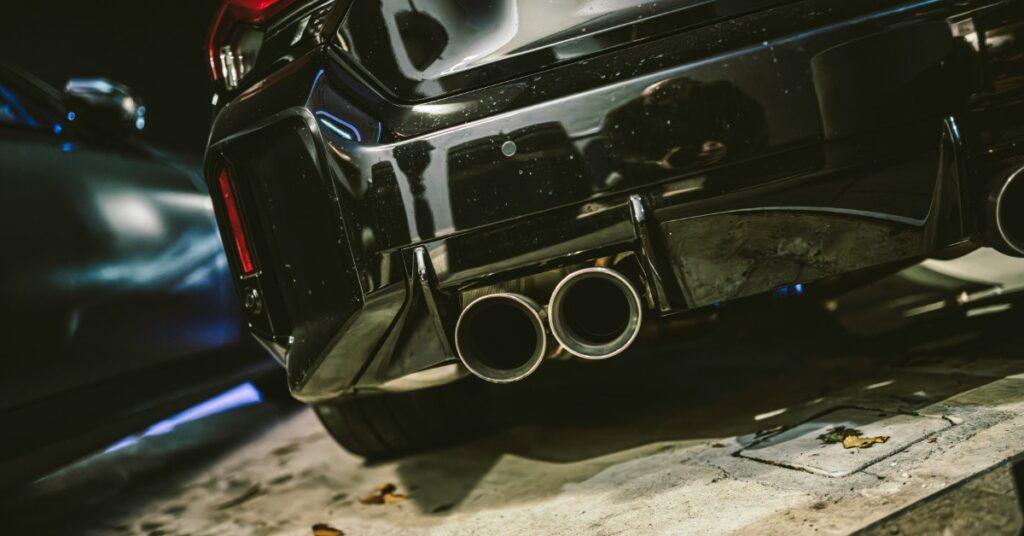
Exhaust Mods Go Wrong When Fitment Gets Ignored
Exhaust work can seem forgiving when all the parts are laid out on the garage floor. Once you’re under the car, though, even a small alignment issue becomes obvious.
Rush the installation, and a pipe may sit too close to the body. A hanger might pull the system to one side. You could also end up with a leak at a connection that looked perfectly fine during assembly.
Start by loosely fitting the entire system before fully tightening anything. Once the exhaust sits where you want it, tighten the connections gradually.
Afterward, start the engine and listen carefully. A sharp ticking sound near a joint often points to an exhaust leak. Fixing it now is much easier than crawling under the car again after several heat cycles make the hardware harder to remove.
Electrical Add-Ons Create Mystery Problems
A rushed electrical mod can turn a simple upgrade into an entire afternoon of troubleshooting. A loose ground or damaged connector may work well enough at first, fooling you.
Then a warning light appears on the dash.
A rushed wiring job often sends owners wondering what that check engine light means. Instead of guessing, read the diagnostic code and trace the problem logically. At the same time, don’t automatically assume your recent modification caused every warning! The timing gives you a useful clue, but proper diagnosis still matters.
A Tune Should Follow the Hardware
Adding performance parts without considering engine calibration creates another common rush job. Some modifications change airflow enough to affect how the engine runs. If you install the hardware without planning for calibration, you may be leaving an important part of the project unfinished.
Do your research before installation day. Find out whether your combination needs a tune, and arrange for one before you start chasing more power.
Just don’t treat a tune as a cure for mechanical problems. Fix leaks first! When you’re ready for calibration, give the tuner accurate information about every modification on the car.
Brake Upgrades Need a Complete Plan
Brake upgrades deserve more patience than almost anything else you install. Before assuming the rest of the system can stay as-is, inspect the surrounding hardware carefully.
Check the condition of the brake hoses while you work. Look closely at the mounting hardware. If you opened the hydraulic system, follow the proper bleeding procedure and take your time getting all the air out.
Don’t rush just because the wheels look ready to go back on.
After assembly, check the pedal feel before moving the car. If anything feels soft, strange, or inconsistent, stop and find out why. You should feel completely confident in the brake system before the first road test. This is one upgrade where “good enough for now” has no place.
Give Every Modification Enough Time
The best way to avoid rushed work is to prepare before installation day. It also helps to give yourself an exit plan. If the job becomes more complicated than expected, stopping doesn’t mean you failed. It means you decided not to make an expensive mistake just because the clock was running out.
Once you start recognizing the car mods that cost more when you rush the job, your approach changes. Preparation no longer feels like wasted time. You begin to notice how one skipped step can create three more problems afterward.