 World inside pictures Collect and share the best ideas that make our life easier
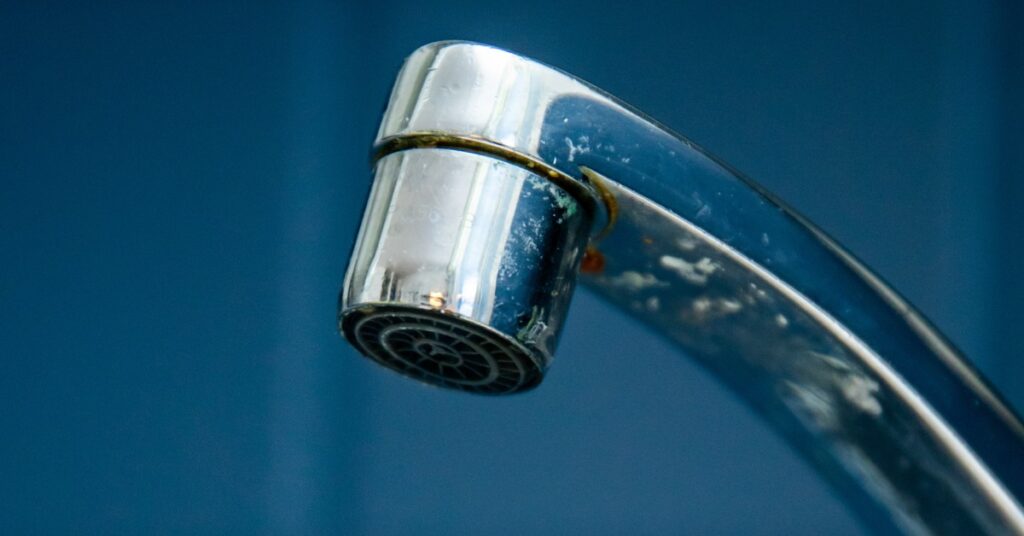
Turning on a faucet and getting only a trickle of water brings households to a halt. Washing dishes and taking showers become impossible to accomplish comfortably.
When a private well dries up, homeowners wonder whether the groundwater supply has disappeared. A low water table and pump failure are potential causes. Before making an expensive decision about the well itself, homeowners should figure out what stopped the water first.
Confirm Whether the Well Is Truly Dry
An empty faucet doesn’t prove that the well has run dry. The well could contain water even when none reaches the house. A pump issue or electrical problem can interrupt the supply before water ever reaches a fixture.
Think about how the problem started. If the pressure weakened gradually over several weeks, declining groundwater could be the root cause. Water that stopped flowing altogether might indicate malfunctioning equipment instead.
A static water level test measures the water level inside the well and compares it with the pump depth. It describes how much water remains above the pump intake, providing a clear starting point for addressing the problem.
Understand Why Groundwater Levels Drop
Private wells pull water from underground layers of soil and rock. These underground formations are called aquifers. Rainfall and melting snow refill many aquifers as water slowly moves through the ground. A long dry spell interrupts that cycle. Less water enters the aquifer, and existing groundwater continues moving through the surrounding area.
Well depth affects how strongly a property reacts to dry weather. A shallow well may respond quickly when rainfall drops. On the other hand, a deep well may draw from groundwater that changes throughout the seasons.
Nearby water use can influence the situation, too. Several properties pumping heavily from the same aquifer decrease the local water table, and farms with irrigation systems create especially high demand during hot weather. This explains why a well that worked reliably for years can suddenly struggle during an unusually dry season. The well has not necessarily failed; its pump may simply sit higher than the current groundwater level.
Check the Pump and Well Equipment
Once you have considered groundwater levels, turn your attention to the equipment. A private well uses several connected parts to move water from underground into the home. One faulty component can stop the entire process.
Watch the pressure gauge and listen for unusual pump behavior. If the circuit breaker trips repeatedly, avoid resetting it again and again. Repeated trips indicate an electrical fault or a failing pump, meaning that it’s best to contact a qualified well professional to inspect the system.
The problem can also sit below the ground. A damaged power cable stops the pump from operating, and a failing pump is incapable of moving enough water through the system. The drop pipe also plays an important role because it carries water from the submersible pump toward the surface. Its design affects the simplicity of DIY submersible pump maintenance. Careful inspection of these components helps identify where the water delivery system has broken down.
Protect the Pump From Running Dry
Low groundwater creates a second problem beyond the lack of household water. A submersible pump depends on suitable operating conditions inside the well. Running it with little water around the intake can put extra stress on the equipment.
Resist the urge to keep opening faucets every few minutes. Each test asks the pump to pull more water from a supply that is already struggling. Long recovery periods encourage groundwater to collect inside the well again.
Some systems include controls that shut the pump down when water drops below a safe point. A well contractor can identify whether your system includes this protection. Homes with seasonal water shortages benefit from equipment that responds quickly to low-water conditions. Protecting the pump now prevents the need for a second repair later on. A dry well creates enough disruption without adding a burned-out pump to the problem.
Use Less Water During a Dry Spell
Reliable water is one part of how homeowners create a healthy living home by keeping the household supply plentiful and clean. If the well is able to produce some water, a few household habits can make the limited supply last longer. Showering, doing the laundry, and washing the dishes take up a large amount of water.
It’s beneficial to spread water use across the day instead of running several appliances close together. One load of laundry followed by a shower pulls water from the well faster than it recovers. More space between high-use activities gives the well time to refill.
Decide How To Restore the Water Supply
Rainfall replenishes the groundwater over time, and reduced seasonal pumping relieves pressure on an aquifer. In those situations, conservation and patience could solve a temporary shortage. But a persistent problem calls for a long-lasting solution.
- Lowering the existing pump restores water flow if the well itself still contains usable groundwater below the current pump position. This option only works when the well has enough depth and water remains available farther down.
- Deepening the well improves access to groundwater in locations where the original drilling didn’t reach a strong aquifer. Local geology determines whether this approach will produce a reliable long-term supply.
- Drilling a new well is beneficial when the existing well is too shallow or repeatedly fails to meet household demand. A new location is likely to tap into a strong groundwater source.
- Installing a storage tank system stabilizes the water supply when the well produces water slowly. The well gradually fills the tank during low-demand periods, and the household draws from stored water.
Test the Water After Major Well Work
Private well owners are responsible for the safety of their own drinking water. Major repairs or changes to the well provide a sensible time to schedule testing. Once the water starts to flow again, pay attention to its condition before consuming or washing dishes and clothing.
Cloudy water or a new odor deserves investigation before normal drinking water use resumes. Clear water should not automatically receive a clean bill of health because many contaminants have no visible signs.
A certified laboratory can test the water based on local risks and health guidance. The appropriate tests depend on groundwater conditions in your area. Your local health departments will have additional insight into common concerns, so you can properly treat the water.
Restore a Steady Flow of Water
When a private well dries up, you protect your system best when you first identify the real cause. Groundwater may have dropped below the pump, or equipment may have stopped working correctly. A full understanding of the problem helps you choose the appropriate response that will restore your home’s water without delay.