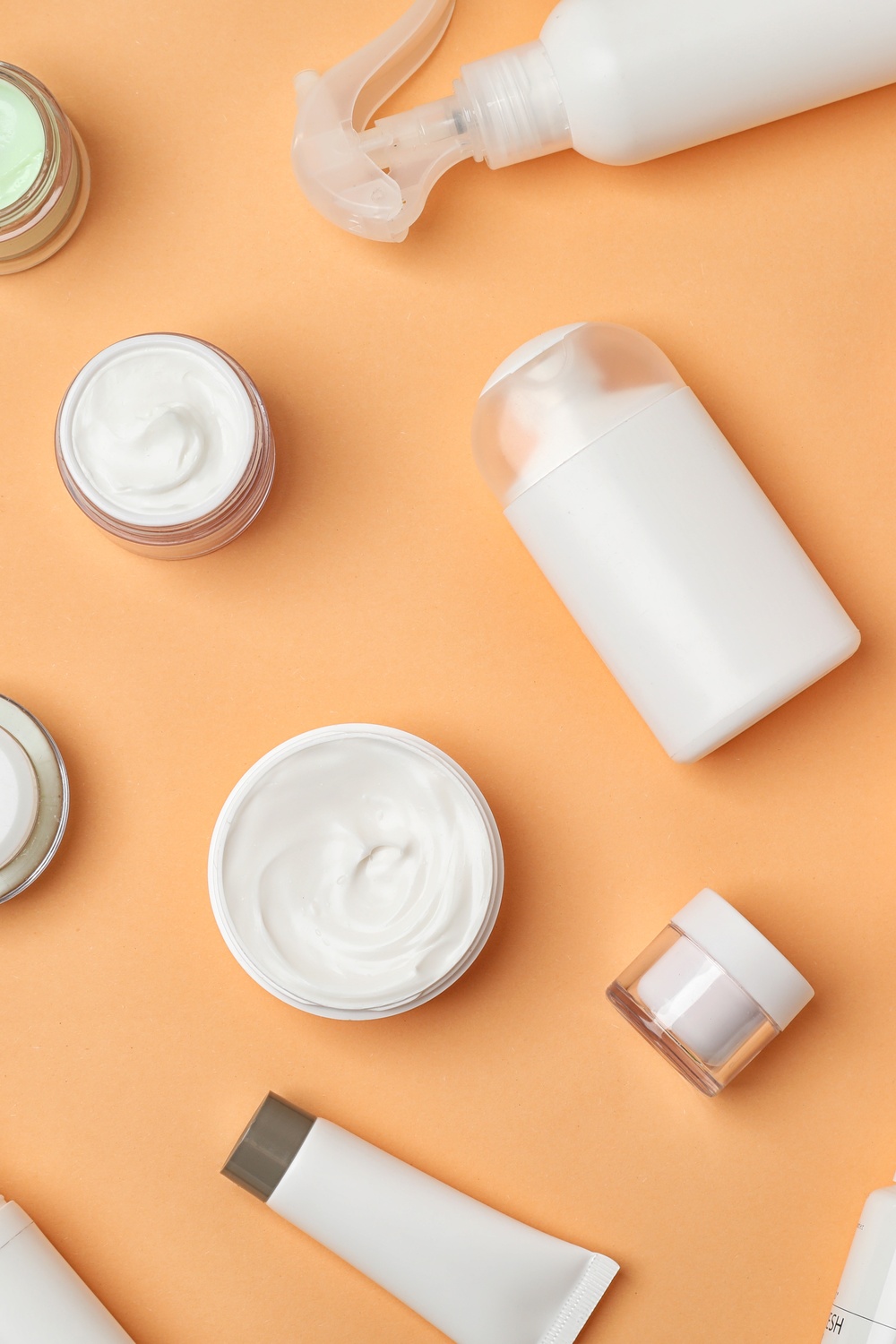
From the moisturizer you apply each morning to the shampoo sitting in your shower, beauty products become part of your routine long before you think about what happens to their packaging. A beautifully designed bottle might catch your attention in a store, yet its appearance reveals very little about the materials or processes involved in getting that product onto the shelf.
Much of the hidden waste behind everyday beauty products develops outside the consumer’s view. Looking beyond empty containers reveals how purchasing habits and production decisions influence the environmental footprint of familiar beauty essentials.
The Packaging You Never Bring Home
When you purchase a bottle of shampoo or a jar of face cream, the container represents only the final stage of a much larger packaging journey. Ingredients travel between suppliers and manufacturers before companies blend them into finished formulas. Throughout that journey, businesses rely on additional containers to store materials and transport them between facilities.
Consumers don’t typically encounter these containers because they remain within production networks. However, their design affects how frequently businesses replace packaging and how much material they discard during routine operations. Some cosmetics manufacturers use reusable containers for bulk ingredients, including stainless steel intermediate bulk containers.
The use of stainless steel containers in cosmetics supply chains illustrates how packaging decisions extend beyond the bottles that eventually reach bathroom shelves. Although shoppers cannot directly control manufacturing practices, recognizing this less visible packaging creates a more complete picture of a beauty product’s journey.
Why Beautiful Packaging Can Create More Waste
Beauty brands rely on packaging to attract attention, particularly in stores where dozens of products compete for limited shelf space. An elaborate container can make an ordinary formula feel luxurious, encouraging shoppers to associate attractive presentations with superior quality. Unfortunately, decorative packaging can introduce materials that serve little practical purpose after purchase.
Oversized boxes may contain relatively small products, while elaborate outer sleeves add material that consumers discard almost immediately. Certain containers combine different materials in ways that complicate recycling, particularly when components require separation before entering appropriate recycling streams. When comparing products, consider whether their packaging protects the contents effectively without relying on unnecessary decorative layers.
The Problem With Products That Go Unused
Packaging waste receives considerable attention, but unfinished beauty products create another problem. A drawer full of barely used creams or an overflowing collection of hair products represents purchases that consumed materials and production resources without delivering much value. Even when the packaging seems relatively minimal, the unused contents still represent wasted resources.
Beauty trends can encourage shoppers to experiment with new formulas before finishing products they already own. A promising recommendation or attractive limited-edition release may seem worth trying, especially when a similar item already occupies space at home. Eventually, forgotten products can expire or change in ways that make them unsuitable for continued use.
Before purchasing another product, take a quick inventory of what you currently use. Identifying duplicates makes it easier to recognize genuine gaps in your routine without accumulating items that may never become regular favorites. You might even rediscover something you enjoy enough to finish before considering another purchase.
How Refillable Beauty Products Change the Equation
Refillable packaging offers an appealing alternative to purchasing a completely new container whenever a product runs out. Some beauty brands sell replacement cartridges or refill pouches, allowing customers to continue using the original bottle or jar. The environmental advantage depends on the packaging materials and the number of times someone actually refills the container.
At home, reusable storage can make a similar difference for products available in suitable refill formats. Incorporating reusable bathroom dispensers into your bathroom organization can reduce your reliance on purchasing new decorative containers whenever you refresh the space. However, refill systems require practical consideration because certain formulas need packaging that protects them from contamination or exposure to air. Following manufacturer instructions allows you to make thoughtful packaging choices without compromising product quality.
When Smaller Products Aren’t the Better Choice
Travel-sized beauty products offer convenience, especially when packing for a weekend getaway or trying an unfamiliar formula. Their compact dimensions make them easy to carry, but they can involve more packaging relative to the amount of product inside. A collection of miniature shampoo bottles may use more container material per ounce than one larger bottle of the same formula.
However, purchasing the largest available container does not automatically reduce waste. If you rarely use a particular product, a smaller size may prevent you from throwing away a substantial amount of unused product. The better decision depends on how consistently you use the product and whether you can finish it within its recommended period of use.
For products you use every day, larger containers or compatible refill options may make practical sense. When experimenting with something unfamiliar, a smaller purchase can limit the amount you discard if the formula doesn’t suit your preferences. Matching product size to actual usage makes packaging decisions more meaningful than simply choosing whichever container looks economical.
Reading Sustainability Claims With More Confidence
As consumers become more interested in environmentally conscious beauty products, packaging labels increasingly feature terms such as recyclable, refillable, and eco-friendly. These descriptions can attract attention, but they do not always explain the practical differences between products. A recyclable container may still face disposal challenges if local facilities cannot process its materials.
Similarly, a refillable product offers limited advantages when replacement cartridges are difficult to obtain or consumers abandon the original container after one purchase. Look for specific explanations about packaging materials and how a brand expects customers to handle containers after use. Clear refill instructions and accessible disposal information provide more useful guidance than broad environmental promises.
Making Your Beauty Routine Less Wasteful
Reducing beauty-related waste becomes more manageable when you focus on habits that fit your actual routine. Finishing products before replacing them can prevent unnecessary purchases, while choosing packaging you can realistically reuse may reduce the number of containers you discard. Keeping similar products together makes it easier to recognize what you already own before another shopping trip.
As you reconsider the hidden waste behind everyday beauty products, remember that the packaging in your bathroom represents only one part of a larger process. You may have limited influence over manufacturing practices, but your purchasing decisions can still reflect a more thoughtful approach to consumption.
A less wasteful beauty routine does not require abandoning favorite products or pursuing an unrealistic standard of perfection. It begins with recognizing where unnecessary consumption occurs and making choices that allow you to enjoy the products you genuinely use.

Written by
Ideas, guides and real budgets for home, garden and travel, published on World inside pictures since 2013.


