 World inside pictures Collect and share the best ideas that make our life easier
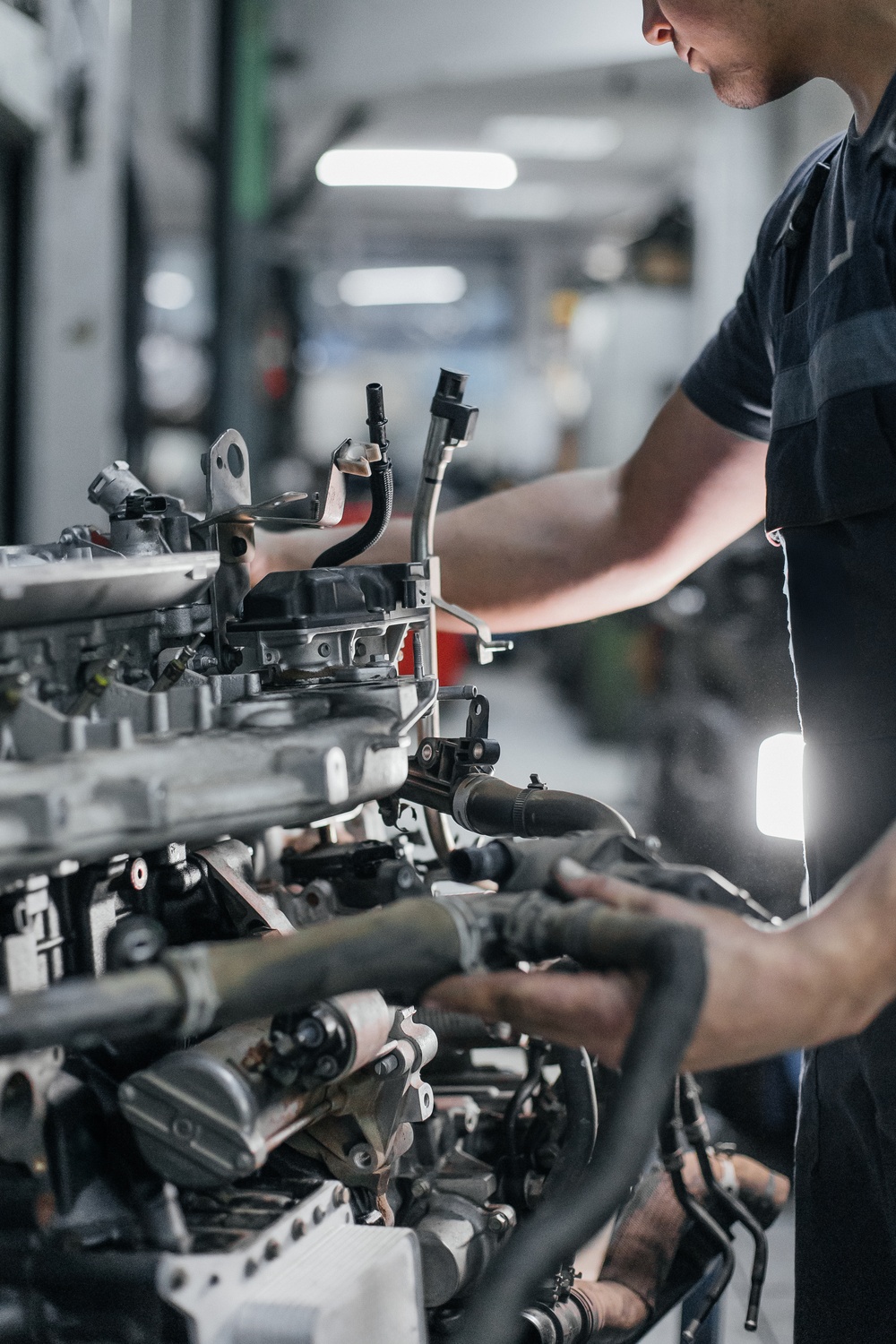
You might have a vintage car or a cherished vehicle stuck in a poor state in the garage. All you want is for it to run and look like it did in the beginning.
Many enthusiasts confuse a restoration with a rebuild, but the distinction matters for your budget and timeline. A rebuild gets a vehicle running and driving again, often using modern parts or whatever fits, while a restoration aims to return the car to its original factory condition. Knowing whether you want a showroom trophy or a weekend cruiser dictates every decision you make moving forward. Before you can bring it back to life, here’s what you need to know before restoring the car.
Create a Budget
Most projects stall because the money runs out halfway through the build. Parts always cost more than expected, and you will inevitably find hidden rust or mechanical issues once you start disassembly.
A smart approach is to list every required part and service, sum up the costs, and add another 30 percent for unexpected expenses. A buffer keeps the project alive when you discover the floor pans need replacing instead of patching.
Organize Your Workspace
A chaotic garage results in lost bolts, damaged trim pieces, and immense frustration. Before bringing the project car home, establish a dedicated space for parts storage. Label every container clearly. When it comes time to start restoring the car, you’ll have an uncluttered space to get to work.
Source Quality Components
Finding the correct replacement pieces is a hunt that requires patience and a sharp eye. The market floods with cheap reproductions that fit poorly and wear out quickly. Learning how to spot fake and genuine car parts protects your investment and ensures the vehicle operates safely. Verify part numbers against original manuals and join enthusiast forums where members share trusted suppliers for your specific make and model.
Evaluate the Bodywork Early
Rust is the enemy of any restoration project and hides in places you least expect. Strip the car down to bare metal early in the process to assess the true condition of the body panels. Ignoring corrosion now means bubbles will ruin your fresh paint job in a year or two. If welding or metal fabrication is beyond your skill set, hire a professional for this stage to guarantee a solid foundation.
Prepare for the Paint Booth
Slapping paint on a car is the easy part; the magic happens in the preparation stages. Following the important preparation steps before painting a car will give the vehicle a flawless finish. Don’t skip sanding, priming, and cleaning procedures. Rushing this phase results in a bumpy texture, fish eyes, or peeling clear coat that destroys the visual appeal of your hard work.
Taking on a restoration project is a massive commitment of time, energy, and finances. It tests your patience but rewards you with a machine that turns heads and brings pride. By following these tips, you’ll have everything you need to restore a car correctly.