 World inside pictures Collect and share the best ideas that make our life easier
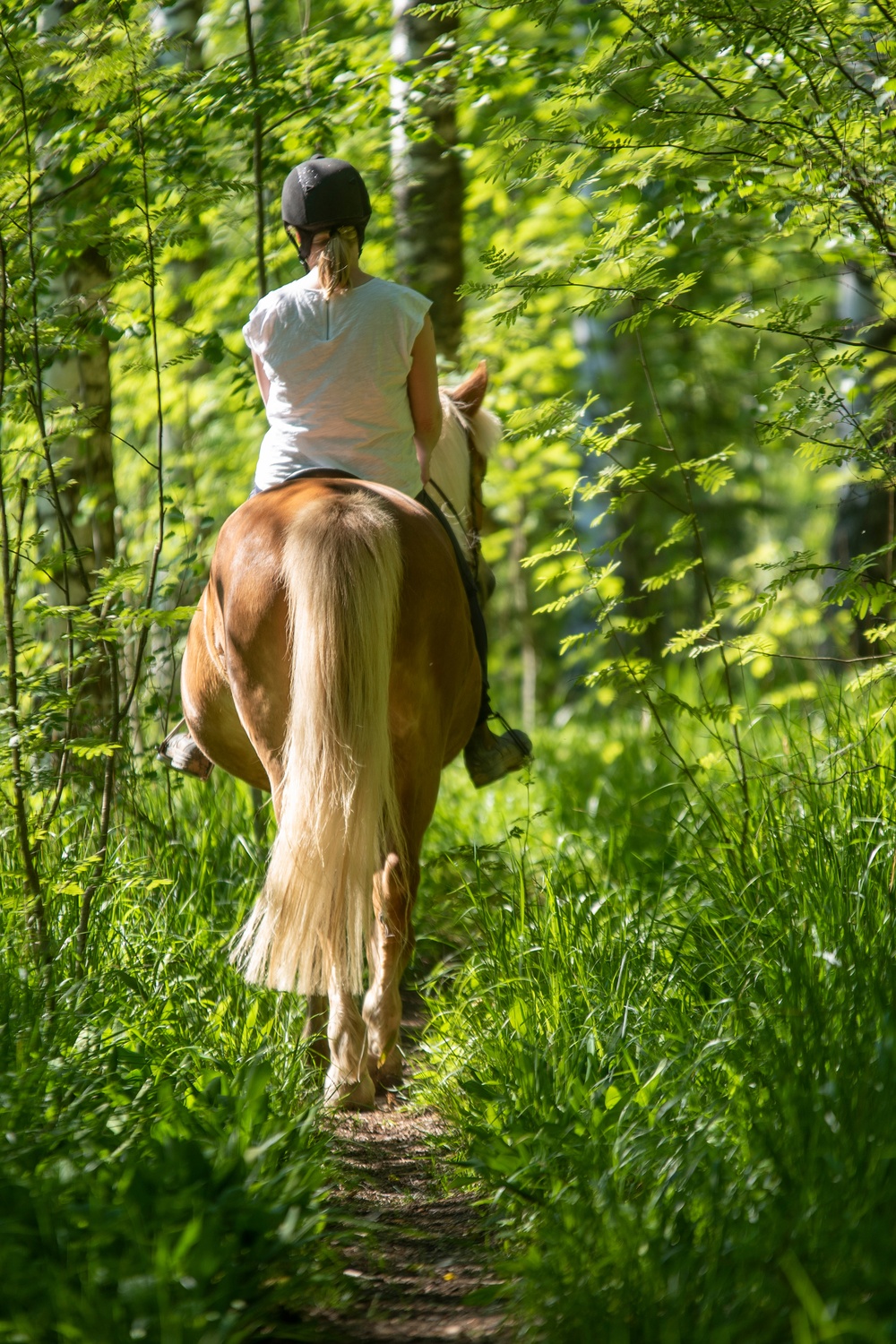
A long trail ride sounds peaceful until the path turns rocky and your horse starts telling you the day feels longer than planned. Good preparation keeps the ride comfortable, rather than turning every mile into a problem to solve from the saddle.
It starts before you tighten the girth! Build the ride around your horse’s fitness, comfort, and recovery needs before you worry about covering distance. Here is how to protect horses on long trail rides.
Check Fitness Before the Ride
To begin, a horse needs conditioning before a long trail day, even when the route appears easy on a map. Start by taking shorter rides over hills or uneven ground so your horse builds strength without taking on too much too soon. Pay attention to breathing after climbs and notice how quickly your horse settles during breaks.
If your horse drags behind, stumbles more than usual, or feels uneven, shorten the ride rather than pushing for the full route. Once you’ve confirmed your horse’s fitness, the next step is to ensure safety from trail hazards.
Protect Legs From Trail Hazards
Long rides bring plenty of chances for lower-leg scrapes and soreness, especially on narrow paths or rough footing. Make sure you have adequate horse leg protection before you even leave the driveway. Choose boots that fit snugly without rubbing, then test them on shorter rides before trusting them for several hours. After the ride, look for trapped grit, rubbed hair, swelling, or heat around the lower legs, as these often point to a poor fit.
Pack Water and Plan Breaks
Heat and hills can drain a horse faster than the rider expects, especially when the trail runs longer than usual. Offer water whenever the route allows, and give your horse time to drink without rushing back into motion. During breaks, choose shaded spots with safe footing so your horse can lower their head and relax. Proper breaks will also help you monitor other physical stressors, such as tack fit during the ride.
Watch Tack Fit During the Ride
Tack that fits at the barn may shift once sweat, movement, and uneven ground come into play. Check the girth during breaks and watch for saddle pads that may slide out of place. After the ride, look for dry spots, rubbed skin, or tenderness along the back. If you are looking after your first horse, ask a trainer or experienced rider to review your tack before you plan a longer trail day.
Give Recovery Real Attention
The ride does not end when you reach the trailer or barn. Walk your horse out, loosen the tack, and wait for their breathing to settle before you fully untack. Once home, check the legs, back, hooves, and overall attitude while the day still feels fresh in your mind. When you practice protecting horses on long trail rides with recovery in mind, each outing becomes safer and easier to enjoy.