 World inside pictures Collect and share the best ideas that make our life easier
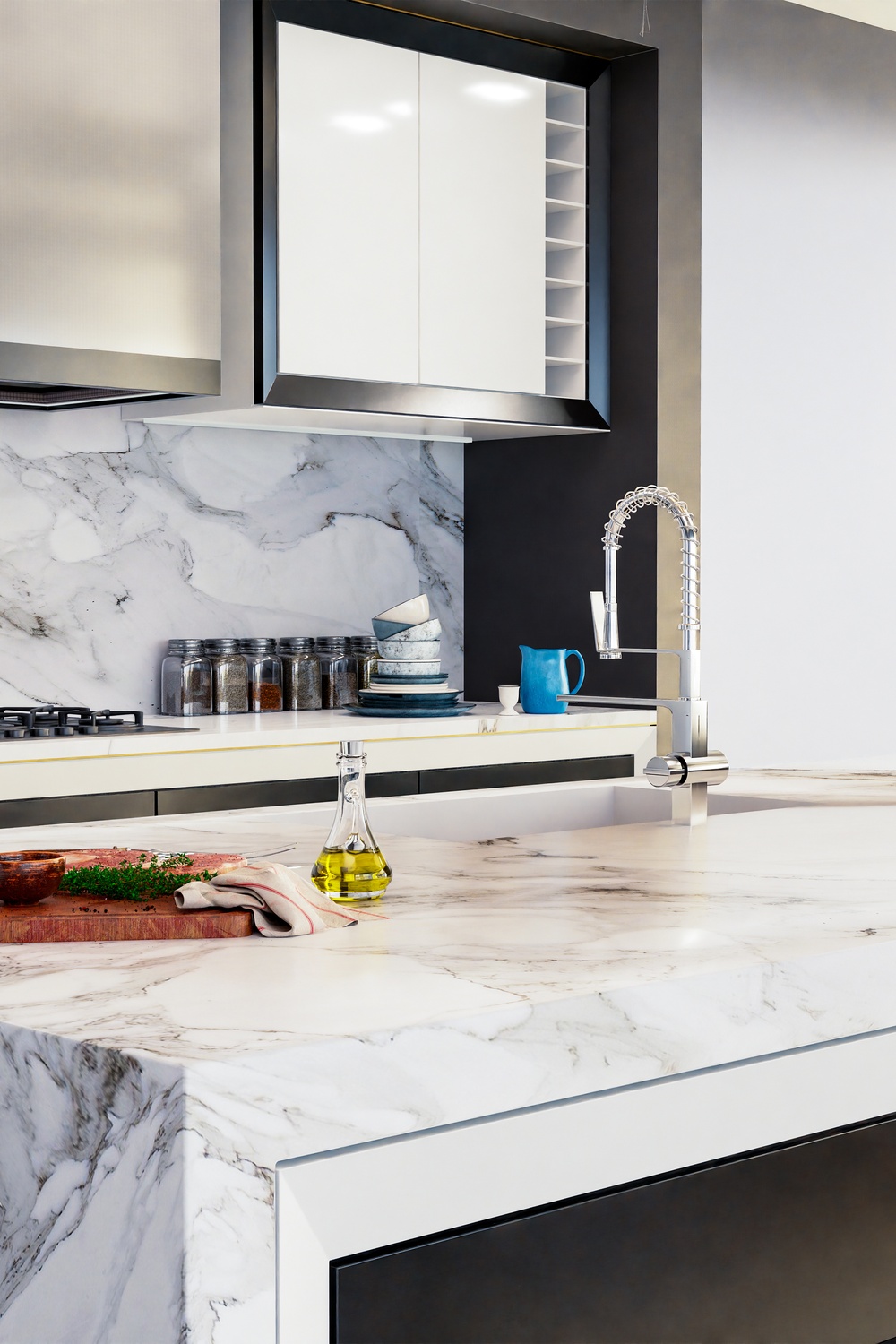
Stone countertops are a stunning, durable, and luxurious focal point in any kitchen. However, keeping them in pristine condition requires regular care. Neglect can lead to stains, scratches, and a dull finish that ruins the aesthetic you paid for.
With a few simple habits, you can protect your investment and keep your kitchen looking its best. Walk through the essential steps to maintain your stone kitchen countertops at home.
Understand Your Stone Type
Different stones have different porosity levels and chemical sensitivities that dictate how you should treat them. Granite, for example, is generally harder and less porous than marble, which stains and etches easily.
Knowing the difference between man-made vs. natural stone is also crucial for your maintenance routine. Engineered quartz is non-porous and doesn’t require sealing, while natural stones like quartzite or limestone do. Check your manufacturer’s guide if you are unsure about the specific requirements for your countertop.
Daily Cleaning Habits
The most effective way to maintain stone is to wipe up spills the moment they happen. Acidic substances like wine, coffee, tomato sauce, and citrus juice can etch the surface of natural stone very quickly. Even water can leave temporary dark spots if left to sit on porous surfaces for too long.
Use a soft microfiber cloth and a mild, pH-neutral cleaner for your daily wipe-down. Dish soap mixed with warm water works well for most sealed stone surfaces. Avoid using abrasive scouring pads, as these can leave tiny scratches that dull the finish over time.
Sealing Your Surfaces
Sealing is the first line of defense against stains for natural stone. A high-quality impregnating sealer fills the pores of the stone, giving you more time to clean up spills before they penetrate the surface.
To test if your seal is working, pour a small amount of water on the surface. If the water beads up, your seal is intact. If the water soaks in and creates a dark spot after a few minutes, it is time to reseal.
Avoid Harsh Chemicals
Many common household cleaners are too harsh for natural stone. Products containing vinegar, lemon juice, ammonia, or bleach can break down the sealant and damage the stone itself. These acidic or alkaline substances cause etching, which looks like dull, whitish water spots that you can’t wipe away.
Use cleaners specifically formulated for stone or mild soap and water. If you need to disinfect, look for products labeled safe for granite and marble. Using the wrong chemical just once can cause permanent damage that requires professional restoration.
Use Cutting Boards and Trivets
Stone is hard, but it isn’t indestructible. Cutting directly on the surface can scratch softer stones like marble and soapstone.
Heat is another potential enemy. While granite handles heat well, thermal shock can cause cracks in extreme cases, and heat can discolor the resin in quartz. Always use trivets or hot pads under hot pots and pans. Kitchen countertop covers in types of stone can have the same weaknesses, so always use protection over these as well.
Protect Your Investment
Taking care of your stone countertops is straightforward once you establish the right habits. Knowing your specific stone type helps you select the correct products and prevent accidental damage. Regular cleaning, sealing, and protection from heat and scratches will maintain the stone’s natural beauty. With these simple maintenance tips, your stone kitchen countertops will remain a durable and beautiful feature in your home for a lifetime.