Two bouquets can use exactly the same flowers and still look completely different. A tight dome of roses feels classic and formal; the same roses tumbling in a long cascade feel dramatic and romantic. That is why florists talk about two things when they plan a bouquet: its shape or style, and the types of flowers that go into it.
This guide covers both: the main types of bouquets, what each one looks like and when to choose it, and the most popular bouquet flowers by look and season. If you’d like a bouquet delivered rather than made at home, most online florists offer these styles; for example, you can send flowers Mississauga and other cities through international delivery services.
Types of bouquets at a glance
| Bouquet type | Shape | Best for |
|---|---|---|
| Hand-tied | Loose, natural, slightly asymmetrical | Gifts, relaxed and rustic weddings |
| Posy | Small, round and full | Bridesmaids, gifts, any occasion |
| Nosegay | Small, round, one main flower plus greenery | Bridesmaids, flower girls, small gifts |
| Round | Larger, tightly packed dome | Classic and formal weddings |
| Cascade | Trailing, teardrop or waterfall shape | Formal and dramatic weddings |
| Presentation or arm sheaf | Long stems held across the arm | Awards, ceremonies, vintage weddings |
| Biedermeier | Round, in concentric rings of color | Formal weddings, striking gifts |
| Pomander | Ball of flowers hanging from a ribbon | Flower girls, hanging decorations |
| Freeform or garden-style | Wild, airy, mixed textures | Boho and outdoor weddings, modern gifts |
| Brooch or alternative | Made from brooches, paper, fabric or dried materials | Keepsake bouquets, themed weddings |
1. Hand-tied bouquet
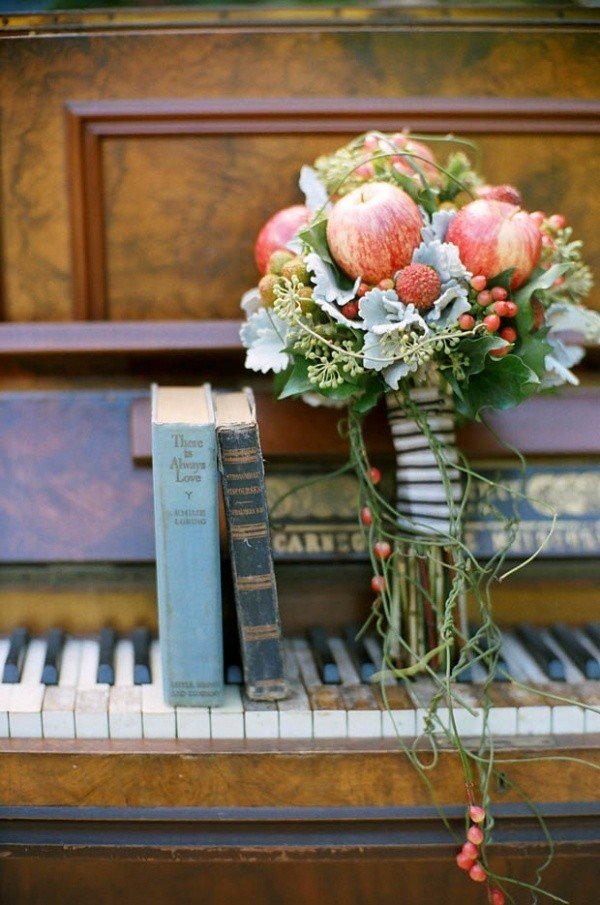
The hand-tied bouquet is one of the most popular styles for both weddings and gifts. Flowers and foliage are gathered by hand, usually in a spiral so the stems fan out neatly, and tied with ribbon, twine or raffia. The result looks loose and natural, as if the flowers were just picked from the garden. The stems are left showing, so they are part of the design.

2. Posy bouquet
A posy is a small, round bouquet of full, rounded flowers on short stems, with little or no greenery. The stems are wrapped tightly with ribbon for a neat, compact look. Posies are easy to hold, which makes them a favorite for bridesmaids, and they work beautifully as a simple gift. Roses, peonies, ranunculus and gerberas are all popular choices.

3. Nosegay bouquet
A nosegay is similar to a posy but places more emphasis on greenery. It is a small, rounded cluster in which all the flowers are cut to the same length, usually built around one main flower or color. The name goes back centuries: small bunches of fragrant flowers and herbs were once carried to mask unpleasant smells. Today it is a neat, elegant choice for bridesmaids and flower girls.
4. Round bouquet
The round bouquet is the classic bridal bouquet: a larger, tightly packed dome of flowers, usually all of a similar size. Roses are the traditional choice, but hydrangeas, peonies and carnations also make full, even domes. It suits formal weddings and looks best with a structured dress.

5. Cascade (waterfall) bouquet
The cascade is the most dramatic bouquet type. Flowers and trailing greenery spill down from the hands in a teardrop or waterfall shape. Orchids, roses, lilies, ivy, jasmine and amaranthus are popular because they trail naturally. Cascades became famous in the 1980s thanks to Princess Diana’s enormous wedding bouquet, and modern versions are often looser and lighter. They are heavier to carry, so they are best for formal, statement weddings.
6. Presentation or arm sheaf bouquet
A presentation bouquet is made of long-stemmed flowers that rest along the arm rather than being held upright. It is the bouquet traditionally given at awards and ceremonies, and it gives weddings an elegant, vintage feel. Long-stemmed roses, calla lilies, gladioli and even wheat or dried grasses all work.

7. Biedermeier bouquet
Named after a 19th-century European design style, the Biedermeier is a round bouquet arranged in neat concentric rings, each ring a different flower or color. Seen from above, it looks like a target or a bull’s-eye. It is a striking choice for formal weddings and for gifts with strong color contrast.
8. Pomander bouquet
A pomander is a perfect ball of flowers that hangs from a ribbon loop. It is a sweet choice for flower girls and young bridesmaids, and it also makes a pretty hanging decoration for chairs, doors or trees at a garden party. Small, dense flowers such as carnations, spray roses and hydrangea florets work best.

9. Freeform or garden-style bouquet
Freeform bouquets look wild and unplanned, but they are carefully built around asymmetry, movement and texture. Florists mix flowers of different heights with foliage, grasses, seed heads, twigs and dried elements such as feathers or pampas grass. This is the go-to style for boho, outdoor and modern weddings.

10. Brooch and alternative bouquets
Not every bouquet is made of fresh flowers. Brooch bouquets are built from vintage brooches and jewelry, often including family heirlooms, and last forever. Other keepsake options include paper flowers, fabric or felt flowers, yarn balls, pine cones and dried flowers, which are especially popular for autumn and winter weddings.

Popular types of flowers for bouquets
- Roses: the most popular bouquet flower of all, available year-round in almost every color. Garden roses are fuller and more fragrant than standard roses.
- Peonies: big, ruffled and romantic; in season in late spring and early summer.
- Ranunculus: layered, paper-thin petals in soft and bright colors; spring.
- Hydrangeas: large, full heads that fill a bouquet quickly and economically; summer and autumn.
- Tulips: simple and elegant, and they keep growing in the vase; spring.
- Carnations: long-lasting, affordable and much more stylish than their reputation, especially in soft or unusual shades.
- Lilies: large, fragrant trumpets for big, dramatic arrangements. Remove the pollen to avoid stains, and keep them away from cats, as they are toxic to them.
- Sunflowers: cheerful and bold for summer and autumn bouquets.
- Gerberas: large, daisy-like flowers in vivid colors; fun and modern.
- Alstroemeria: small lily-like flowers that last up to two weeks in a vase.
- Orchids: exotic and elegant, ideal for cascade bouquets.
- Lisianthus, anemones and dahlias: florists’ favorites for adding texture and interest.
- Fillers and foliage: baby’s breath (gypsophila), wax flower, eucalyptus, ruscus and ferns add volume and movement.

How to choose the right bouquet
- Match the occasion: hand-tied and posy bouquets suit almost any gift; cascades and Biedermeiers suit formal weddings.
- Match the dress or setting: slim dresses and small venues suit smaller, rounder bouquets; full skirts and grand venues can carry a cascade.
- Choose seasonal flowers: they are fresher, last longer and cost less.
- Think about weight: large cascades and arm sheafs are heavy to hold for hours.
- Consider meaning: red roses say love, yellow flowers say friendship and joy, and white flowers suggest purity and new beginnings.
How to make a bouquet last longer
- Cut the stems at an angle with a sharp knife or scissors as soon as you get home.
- Remove any leaves that would sit below the water line.
- Use a clean vase with fresh, cool water and the flower food that came with the bouquet.
- Change the water and trim the stems every two days.
- Keep flowers away from direct sun, radiators and fruit bowls, as ripening fruit releases ethylene gas that makes flowers fade faster.

Want to arrange flowers yourself? See our DIY gift ideas for handmade presents, and our DIY home decor ideas for vases and arrangements.
Frequently asked questions
What are the main types of bouquets?
The most common types are hand-tied, posy, nosegay, round, cascade, presentation (arm sheaf), Biedermeier, pomander and freeform or garden-style bouquets, plus alternative bouquets made from brooches, paper or dried flowers.
What is the difference between a posy and a nosegay?
Both are small and round. A posy focuses on full flowers with little or no greenery, while a nosegay includes more greenery and is often built around a single main flower or color.
What flowers are used in most bouquets?
Roses are the most common, followed by peonies, ranunculus, hydrangeas, tulips, carnations, lilies, gerberas and alstroemeria, with fillers such as baby’s breath and eucalyptus.
Which bouquet flowers last the longest?
Carnations, alstroemeria, chrysanthemums and orchids often last two weeks or more with fresh water. Dried flowers and brooch bouquets last indefinitely.
What is the most popular bridal bouquet style?
Loose hand-tied and garden-style bouquets are the most popular choices for modern weddings, while round bouquets remain the classic option and cascades are making a comeback for formal ceremonies.

Written by
Ideas, guides and real budgets for home, garden and travel, published on World inside pictures since 2013.