 World inside pictures Collect and share the best ideas that make our life easier
Here’s a little truth we all know but rarely say out loud: your Zoom background has become your digital handshake. Whether you’re pitching clients, catching up with your team, or interviewing for your dream role, what appears behind you matters more than ever. That’s exactly why the best home office decor ideas in 2026 do double duty—they create a space that feels inspiring when you’re deep in focus AND looks polished the moment your camera flickers on. We’ve gathered the freshest approaches that go beyond generic Pinterest boards, including budget-friendly transformations, psychology-backed color choices, and clever solutions for even the tiniest apartments. Consider this your complete guide to designing a workspace that works as hard as you do, both on and off screen.
The Camera-Ready Principle: Designing for the Lens First
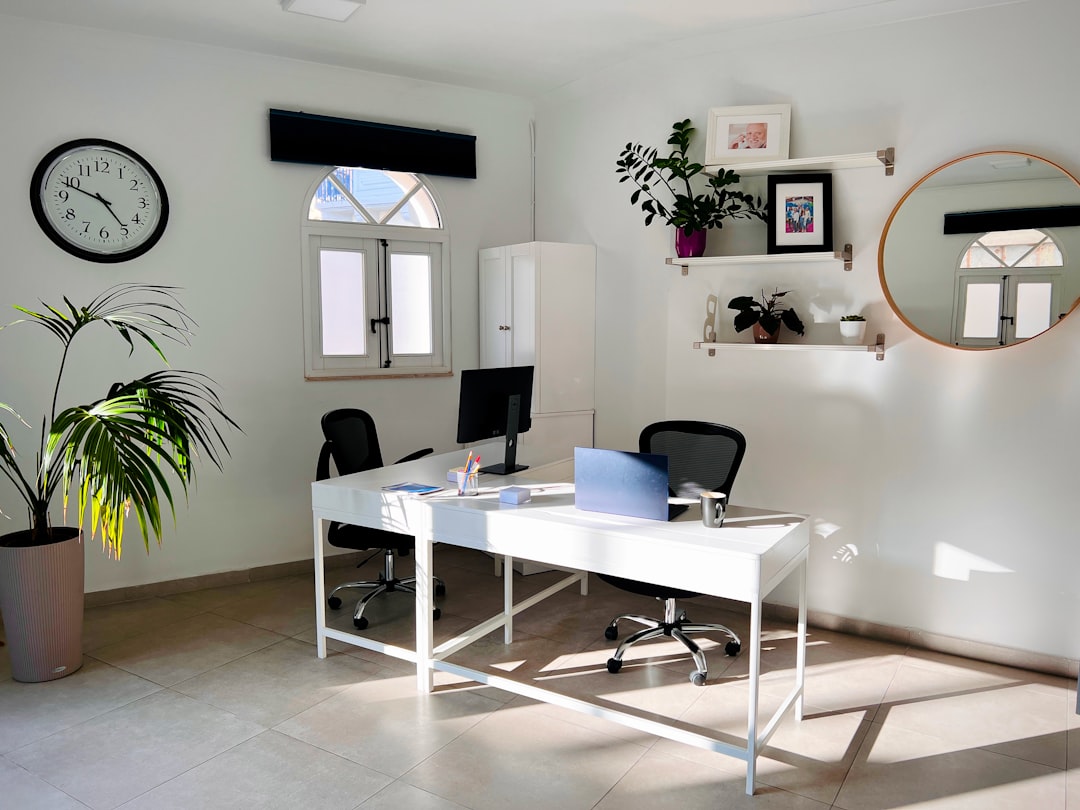
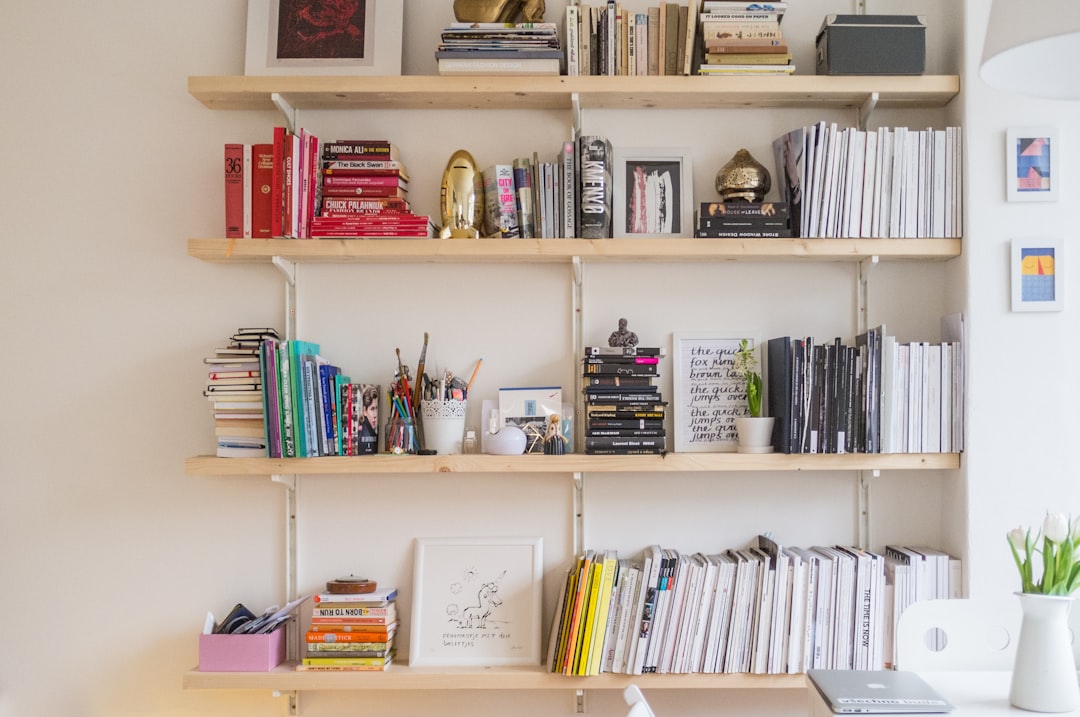
Before choosing a single piece of furniture, grab your laptop and sit where your desk will go. Open your camera app and study what appears in frame—this rectangle is your design canvas. The most beautiful room in the world means nothing if your video calls show a blank wall or cluttered corner. Position your desk so the camera captures intentional layers: a styled shelf at mid-height, artwork slightly off-center, perhaps a trailing plant softening one edge. Avoid windows directly behind you (hello, mysterious silhouette) and keep ceiling fans out of the shot. The sweet spot is 3-5 feet of styled depth behind your chair. Think of it as creating a tiny stage set that tells your story. A solid wood bookcase adds both function and visual warmth. Floating shelves at staggered heights create dynamic interest. This video-call-first approach means every decor decision serves you twice—making your space camera-ready transforms the entire room.
Home Office Decor Ideas by Budget: Transform Any Space
Let’s get real about money. Under $200, focus on the background trifecta: a single statement print or mirror, one sculptural plant, and upgraded lighting. Swap harsh overhead bulbs for a warm-toned desk lamp positioned at 45 degrees. Under $500, you can add a quality ergonomic chair (your back will thank you during those marathon meetings), a textured area rug to anchor the space, and a cube organizer that corrals supplies while adding visual structure. Going up to $1000 opens doors to solid wood desks, a layered gallery wall, smart lighting that adjusts for video calls, and perhaps that gorgeous handcrafted piece you’ve been eyeing. The key is prioritizing what the camera sees first, then expanding outward. A linen curtain behind your desk costs under $30 but creates instant softness. Three matching frames from a thrift store, spray-painted matte black, suddenly look intentional and elevated.
Zone-Based Design: Focus, Storage, and Restore
The most functional workspaces aren’t designed as one blob of productivity—they’re thoughtfully divided into micro-zones. Your focus zone centers around the desk and chair, positioned to minimize distractions and maximize natural light. Keep only daily essentials within arm’s reach: your laptop, a notebook, perhaps a single plant. The storage zone lives slightly outside your immediate periphery—think a rolling cart tucked beside the desk, wall-mounted shelves holding labeled boxes, or a credenza that hides printers and paperwork. If space allows, carve out a tiny restore zone: a reading chair angled toward a window, a meditation cushion in a corner, or even a bench where you can sit and think without staring at a screen. This mental mapping helps your brain shift gears throughout the day. When you move to the restore zone, you’re signaling a break. When you return to focus, your mind knows it’s time to work.
Color Psychology: The Shades That Actually Boost Focus
Color isn’t just aesthetic—it’s neurological. Research shows light blue walls paired with white trim can reduce stress levels by up to 15% in workspace environments. Sage green reduces eye strain during long screen sessions while creating a natural, grounding backdrop that photographs beautifully. For 2026, Sherwin-Williams’ Restorative Darks palette introduces richer options: think Plum Brown or deep terracotta as accent walls that add emotional depth without overwhelming small spaces. The shift away from stark clinical whites toward warmer tones reflects our collective need for spaces that feel lived-in and human. If painting isn’t possible, introduce color through textiles—a rust-colored throw over your chair, forest green desk accessories, or a navy rug anchoring the room. For video calls, warmer tones make skin look healthier and more vibrant on camera, while pure white backgrounds can cast unflattering shadows.
Biophilic Design: Bringing Nature Into Your Workspace
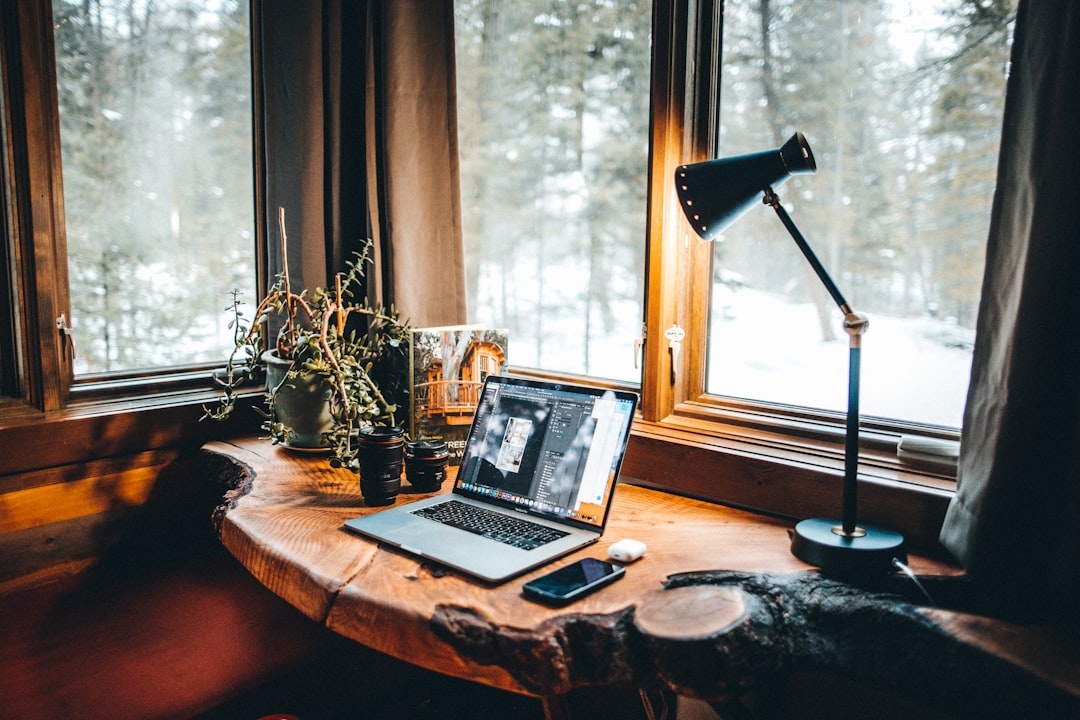
Plants aren’t just decoration—they’re productivity partners. Studies consistently show that greenery reduces stress, improves air quality, and boosts creative thinking. For busy professionals who forget watering schedules, succulents like jade plants and echeveria thrive on neglect, needing water only every two weeks. Trailing pothos on a high shelf adds movement and life to video backgrounds without demanding attention. Beyond plants, biophilic design means embracing natural materials throughout your space: a solid ash desk instead of laminate, a jute rug underfoot, linen curtains filtering afternoon light. These textures create sensory richness that plastic and metal simply can’t match. A single landscape photograph or botanical print reinforces the connection to nature even in the most urban apartment. Position your largest plant just off-camera so a few leaves peek into frame—it adds depth and life without overwhelming your professional appearance.
Hidden Tech: Cable Management That Actually Works
Nothing ruins a beautifully styled desk faster than a tangled nest of cables. In 2026, the goal is invisible technology—your devices remain accessible but never visible. Start with a cable management box under your desk that swallows power strips and excess cord length. Route charging cables through desk grommets or use adhesive cable clips along the desk’s back edge. For the truly committed, recessed outlets installed directly into your desktop eliminate dangling cords entirely. Wireless charging pads hidden under desk surfaces keep phones powered without visual clutter. Monitor arms free up desk real estate while creating that clean, floating screen look. The investment in proper cable management pays dividends every single video call—nothing says polished professional like a desk that appears miraculously cord-free. Even simple solutions like matching cable sleeves or velcro ties make an immediate visual difference.
Small Space Solutions: Cloffices, Nooks, and Corners
No dedicated room? No problem. The cloffice—a closet converted into a compact office—has become a beloved solution for apartment dwellers. Remove the doors, install a floating desk at the perfect height, add a pegboard for vertical storage, and suddenly that unused coat closet becomes a fully functional workspace that closes off at day’s end. Under-stairs nooks work brilliantly too, using custom built-ins to maximize every inch of that awkward triangular space. For renters who can’t modify walls, consider a secretary desk that folds closed when work ends, or a console table in a hallway that serves as a standing-height work station during the day. The key for tiny spaces is vertical thinking: wall-mounted shelves, hanging organizers, and magnetic boards keep surfaces clear. Remember, the camera only captures a small slice of your room—even a beautifully styled two-foot section can look like a proper home office on screen.
Work Rituals: Training Your Brain to Focus
The most gorgeous home office means nothing if your brain still thinks it’s on the couch. Physical rituals create mental boundaries between living and working. Develop a start-of-day sequence: raise your sit-stand desk, switch on your task lamp, place your notebook in position, light a candle with a scent reserved only for work hours. Your brain begins associating these sensory cues with focus mode. End-of-day rituals matter equally: close your laptop fully, straighten your desk, switch off the dedicated lamp, and physically leave the space. Some remote workers even change shoes—slipping into work sneakers signals productivity, taking them off signals rest. For those working in multipurpose rooms, a simple desk mat that you roll out each morning creates a visual boundary. These rituals transform a corner with a desk into a place your brain recognizes as sacred work territory, dramatically improving both productivity and work-life separation.
Common Home Office Decor Mistakes to Avoid
Even well-intentioned decor can sabotage your workspace. Avoid placing your desk directly against a blank wall—you’ll spend hours staring at nothing, and video calls will look flat and sterile. Skipping proper lighting creates unflattering shadows on camera and causes eye strain during long workdays. Over-decorating your background with too many objects reads as cluttered and distracting to meeting attendees. Choosing style over ergonomics leads to back pain that derails productivity. Ignoring storage needs means papers pile up, destroying your carefully curated aesthetic within weeks. Matching everything too perfectly creates a showroom feeling rather than a lived-in workspace. Forgetting about what’s NOT in frame means you might have a gorgeous desk but swivel to reveal total chaos. Finally, neglecting personal touches results in a space that feels generic rather than motivating—include at least one item that genuinely sparks joy when you glance at it.
Your Camera-Ready Workspace Starts Today
The most inspiring home office decor ideas share one quality: they create spaces where you genuinely want to spend time. Whether you’re transforming a full room or carving out a corner of your bedroom, the principles remain the same—design for the camera first, embrace natural materials and colors, manage technology invisibly, and build rituals that help your brain shift into focus mode. Start small if budget is tight: a single plant, better lighting, and a thoughtfully styled shelf can transform your video presence overnight. Remember that your workspace tells a story about who you are—make sure it’s one you’re proud to share in every meeting, every call, every day. Ready to explore more beautiful spaces and design inspiration? Wander through our home decor collection here at World Inside Pictures, where we’re always gathering the most stunning ideas to help you create spaces you truly love.
Images sourced from Unsplash.