 World inside pictures Collect and share the best ideas that make our life easier
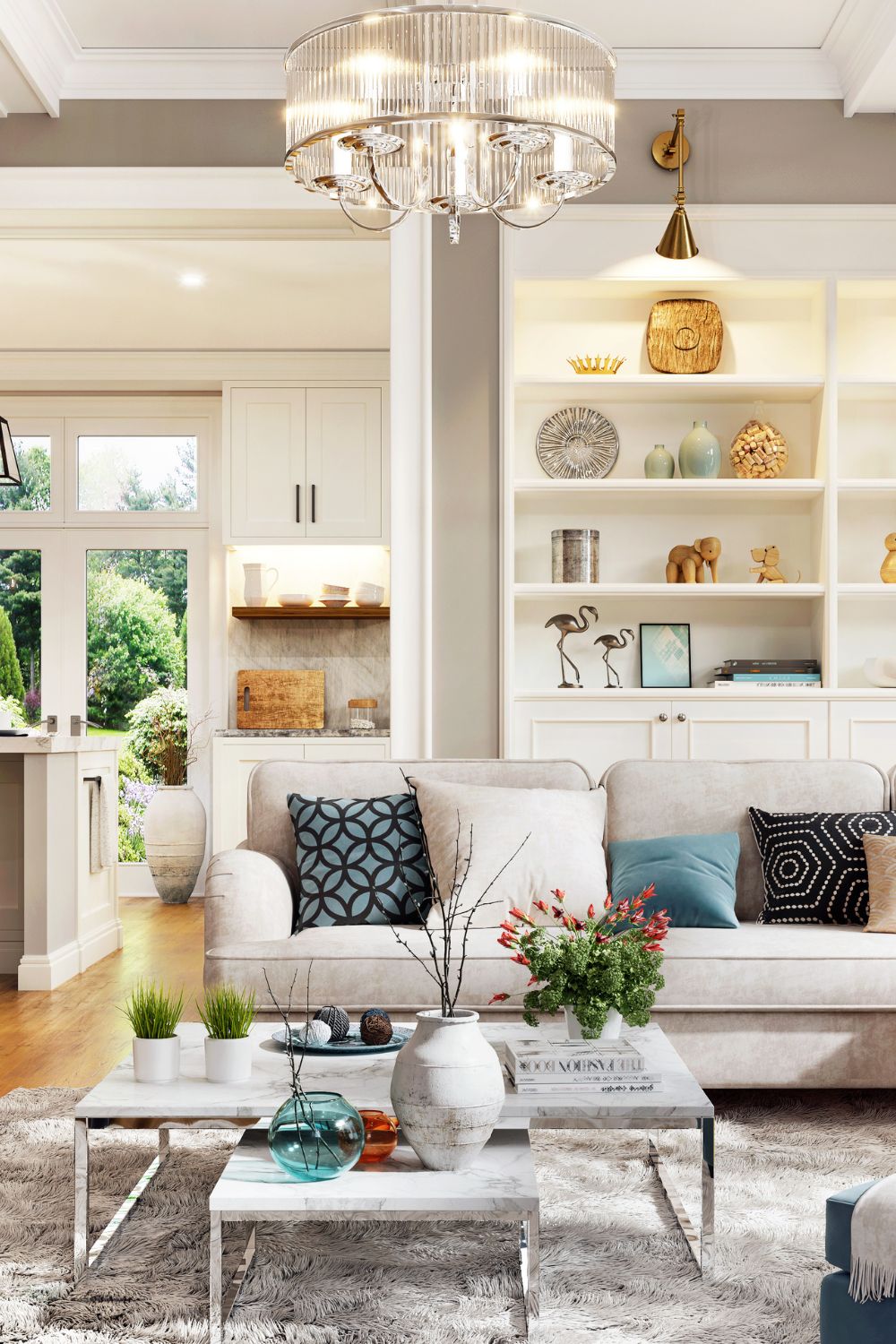
Many people believe they need more space to create a comfortable and functional home. In reality, smart design often matters more than the number of square feet. A well-planned space can support daily routines, hobbies, work schedules, and family activities without feeling crowded. When homeowners focus on how they live instead of how much space they have, they often achieve better results.
Modern design trends increasingly prioritize function alongside style. People want homes that work for their unique needs rather than spaces that simply look impressive in photos. Whether someone lives in a compact apartment or a larger house, thoughtful choices can improve comfort and organization. Designing around lifestyle means your square footage serves a meaningful purpose.
How Do You Identify What Your Home Really Needs?
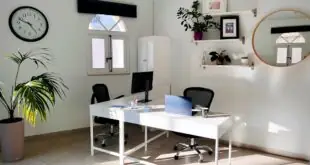
The first step involves understanding how you use your space every day. Some people work remotely and need a productive office area. Others spend most of their time entertaining guests or enjoying family activities. A home should support these priorities instead of forcing people to adapt to an inefficient layout.
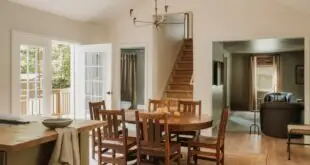
Take time to evaluate which areas receive the most use. You may discover that a formal dining room sits empty while the kitchen becomes the center of daily life. That realization can inspire changes that better match your routines. When function drives design decisions, the entire home feels more practical.
Why Function Should Guide Every Design Choice
Many decorating mistakes occur when appearance becomes the only priority. Attractive furniture and trendy decor can quickly become frustrating if they limit movement or reduce storage. Every piece should contribute to how the space works. Good design balances beauty and usability.
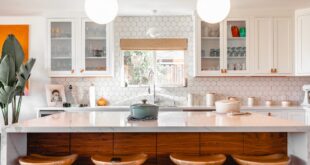
Storage solutions provide a great example of functional design. Homeowners often search for space-saving shelf ideas for tiny kitchens because efficient storage directly improves daily life. Well-placed shelves, cabinets, and organizers can free up valuable workspace. Small improvements often create a much bigger difference than expensive renovations.
What Design Strategies Maximize Smaller Spaces?
Smaller homes require creativity, but they also encourage smarter decisions. Multifunctional furniture, flexible layouts, and thoughtful storage help rooms serve multiple purposes. A guest room can become a home office, while a dining area can double as a workspace. These adjustments make a home feel larger without changing its footprint.
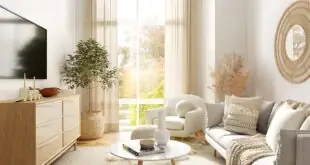
Many designers now focus on big design ideas for small studio apartments because urban living continues to grow in popularity. Open layouts, vertical storage, and strategic lighting can dramatically improve functionality. Mirrors and lighter color palettes also create a greater sense of openness. These techniques demonstrate how design can influence perception as much as physical dimensions.
Simple Features That Improve Everyday Living
Small upgrades often provide the greatest return on investment. Instead of focusing on major remodeling projects, many homeowners benefit from simple improvements that support daily routines. These changes can increase convenience without requiring a large budget.
Consider these practical ideas:
- Add storage near frequently used areas.
- Create dedicated spaces for hobbies or work.
- Use furniture with built-in storage.
- Improve lighting in high-traffic rooms.
- Reduce clutter through better organization.
Designing around your lifestyle, not your square footage adapts more easily as needs and life change. Families grow, careers evolve, and hobbies develop over time. A flexible, functional home can accommodate those changes without requiring constant updates. By designing around lifestyle instead of square footage, homeowners create spaces that remain useful, welcoming, and enjoyable for years to come.