With their huge, saucer-shaped flowers, hibiscus plants bring a tropical feel to any garden or patio. But “hibiscus” covers several hundred species, from frost-tender tropical shrubs to tough perennials that die back in winter and return every spring. Choosing the right type for your climate is the difference between a plant that flowers all summer and one that sulks.
Below are the main types of hibiscus, how to tell them apart, where each one grows best and some of the most popular varieties to look for.
Types of hibiscus at a glance
| Type | Botanical name | Grows as | Hardiness (USDA zones) |
|---|---|---|---|
| Tropical (Chinese) hibiscus | Hibiscus rosa-sinensis | Evergreen shrub or houseplant | 10–11; indoors elsewhere |
| Hardy hibiscus, rose mallow | Hibiscus moscheutos and hybrids | Perennial that dies back in winter | 4–9 |
| Rose of Sharon | Hibiscus syriacus | Deciduous shrub or small tree | 5–9 |
| Scarlet rosemallow, Texas star | Hibiscus coccineus | Perennial | 6–10 |
| Confederate rose | Hibiscus mutabilis | Large shrub | 7–10 |
| Roselle | Hibiscus sabdariffa | Annual (edible) | Grown as an annual |
| Cranberry hibiscus | Hibiscus acetosella | Shrub grown for its foliage | 8–11; annual elsewhere |
| Fringed hibiscus | Hibiscus schizopetalus | Tropical shrub | 10–11 |
| Yellow hibiscus (ma’o hau hele) | Hibiscus brackenridgei | Tropical shrub | 10–11 |
1. Tropical hibiscus (Hibiscus rosa-sinensis)
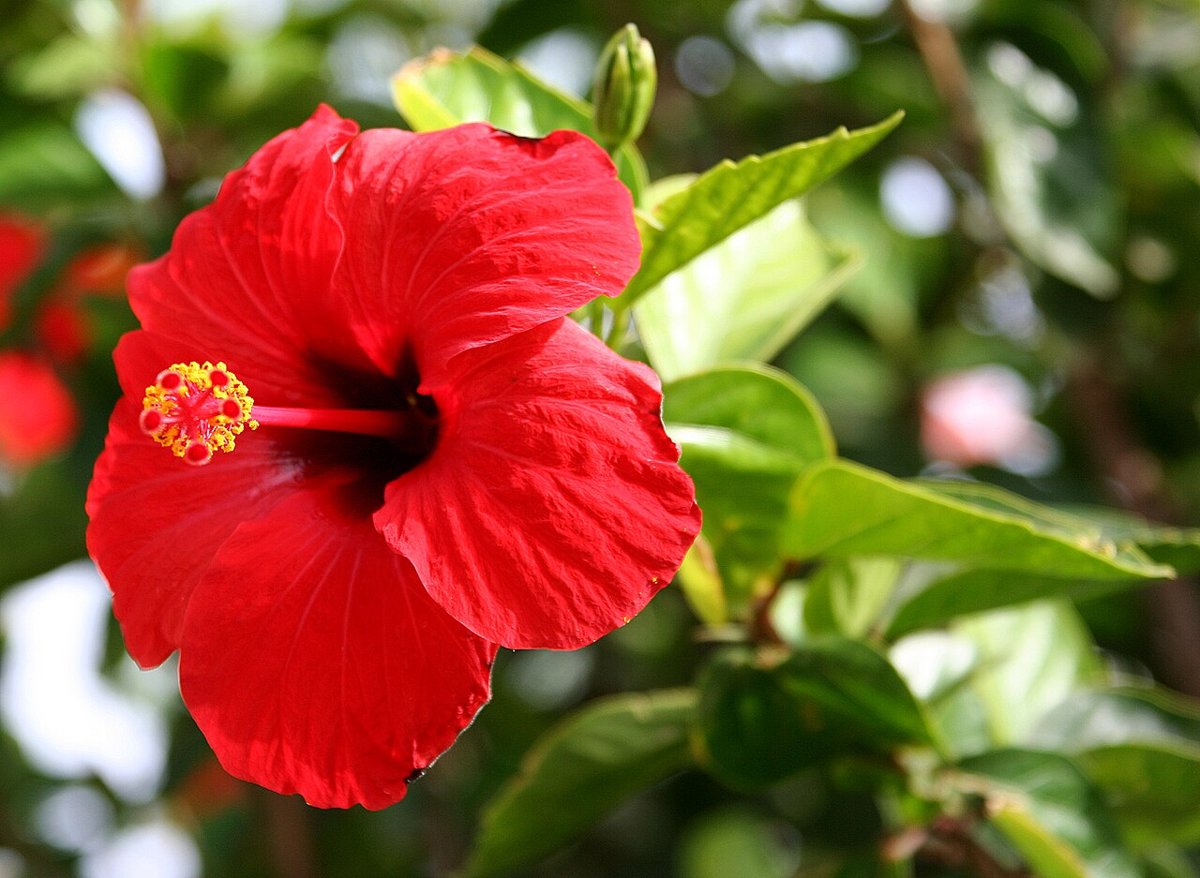
This is the hibiscus most people picture: glossy, dark green leaves and large flowers in red, pink, orange, yellow, peach or multicolored combinations, often with a contrasting eye. Each flower usually lasts only a day or two, but a healthy plant produces new ones almost continuously in warm weather. It is the national flower of Malaysia.
Grow it if: you live somewhere frost-free, or you want a patio or houseplant. It needs full sun, regular water and temperatures above about 50°F (10°C). In colder areas, grow it in a pot and bring it indoors to a bright window for winter.
2. Hardy hibiscus or rose mallow (Hibiscus moscheutos)
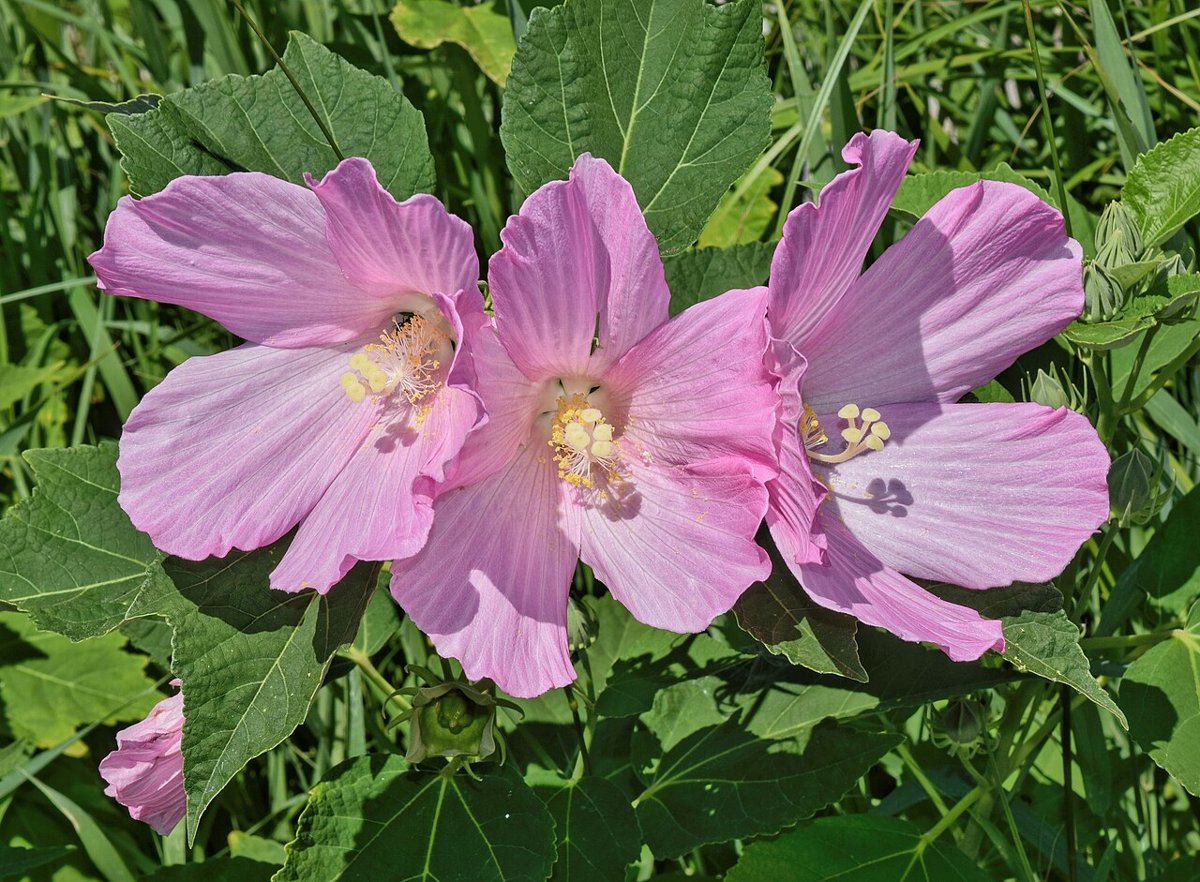
Hardy hibiscus produces the biggest flowers of all, often 8–12 inches (20–30 cm) across, in white, pink, red and lavender. It is native to wetlands in the eastern United States, so it loves moisture. The stems die back to the ground after frost and new shoots appear late in spring, so don’t give up on it too early.
Popular varieties: the Summerific series, such as ‘Cranberry Crush’ (deep red flowers) and ‘Berry Awesome’ (ruffled lavender-pink with a dark eye), and the compact Luna series, such as ‘Luna Pink Swirl’ and ‘Luna White’, which stay around 2–3 ft tall and suit smaller gardens and containers.
3. Rose of Sharon (Hibiscus syriacus)
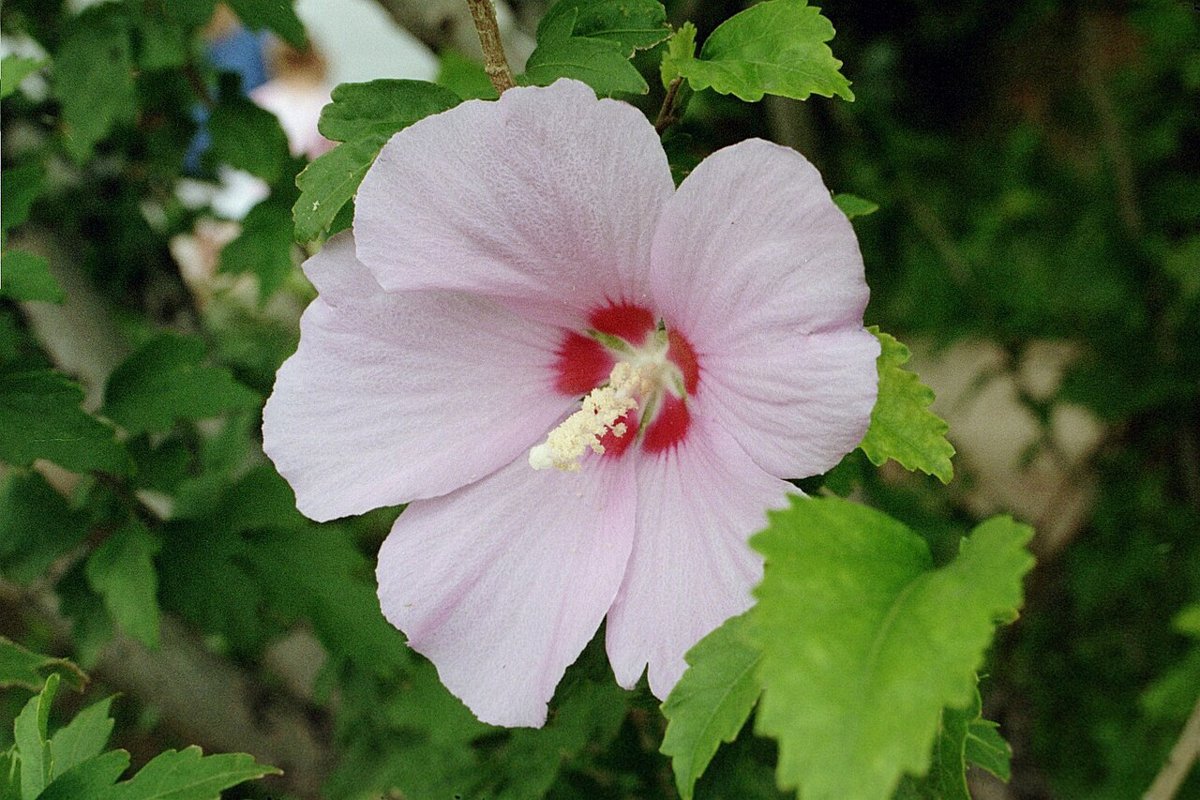
Rose of Sharon is a tough, upright shrub that flowers from midsummer into autumn, when few other shrubs are in bloom. Its flowers are smaller than tropical or hardy hibiscus, around 2–4 inches, in white, pink, purple, blue-lavender and bicolors, single or double. It grows 8–12 ft tall and makes a good flowering hedge or screen.
Popular varieties: ‘Aphrodite’ (pink with a dark red eye), ‘Blue Chiffon’ (lavender-blue, semi-double) and ‘Diana’ (pure white). Older varieties can self-seed heavily, so look for newer, low-seeding cultivars if that is a concern.
4. Scarlet rosemallow or Texas star (Hibiscus coccineus)
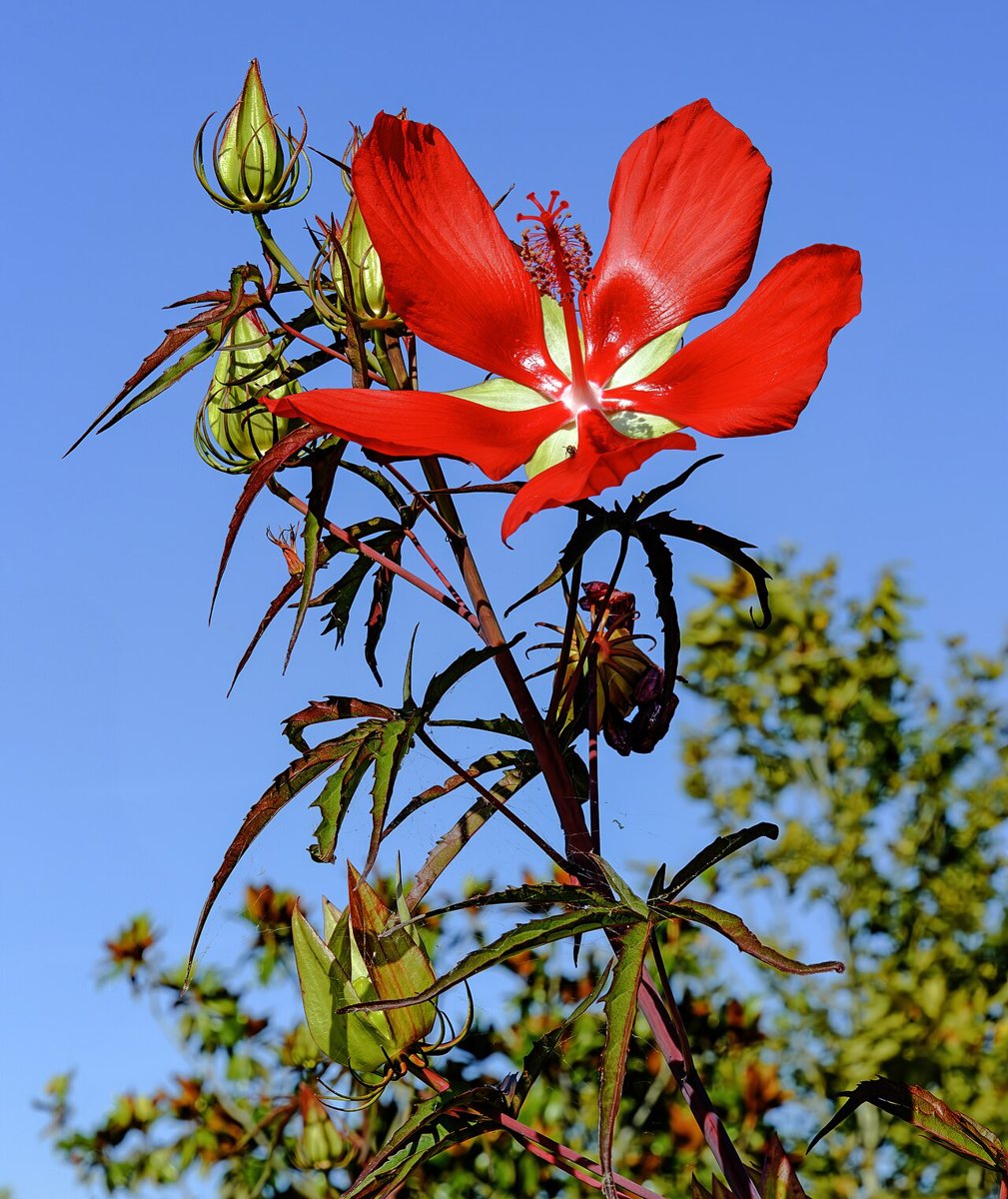
This native of the southeastern United States has striking, star-shaped scarlet flowers with five separate petals and deeply divided leaves. It grows 4–8 ft tall, loves damp soil and is a favorite with hummingbirds and butterflies. White forms are also available.
5. Confederate rose (Hibiscus mutabilis)
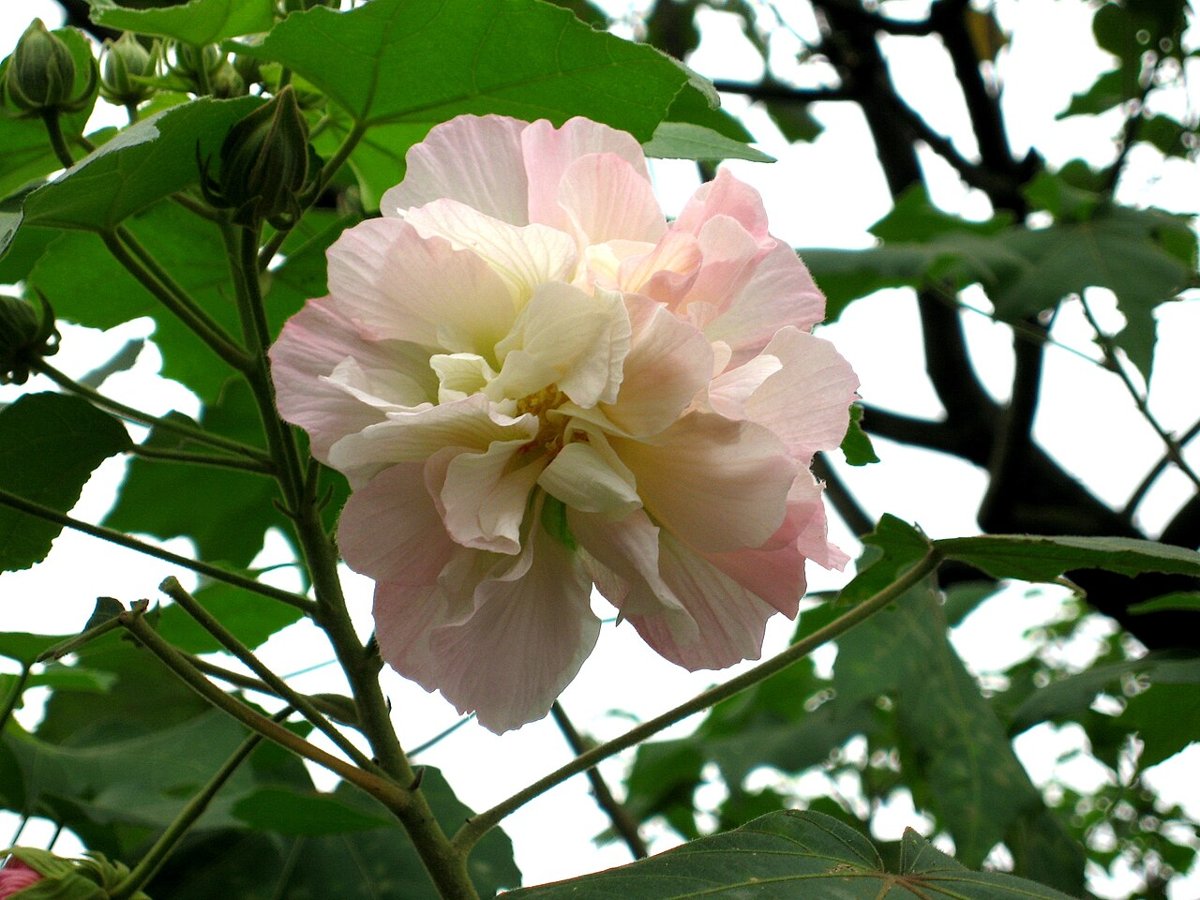
The Confederate rose is famous for its flowers that change color in a single day: they open white or pale pink in the morning and turn deep pink to red by evening. The double forms look like large peonies. It becomes a big shrub or small tree in warm climates and flowers in late summer and autumn.
6. Roselle (Hibiscus sabdariffa)
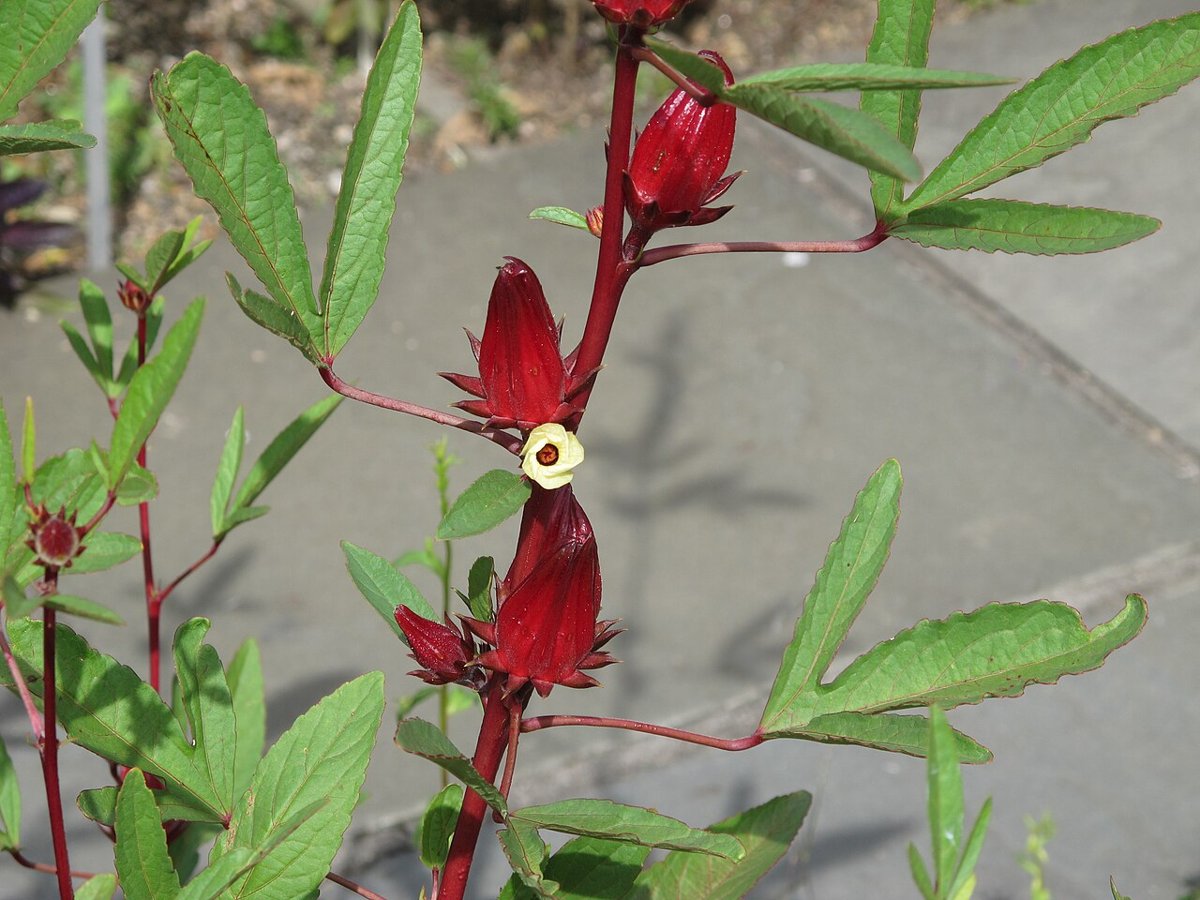
Roselle is the hibiscus you can drink. After the pale flowers fade, the fleshy red calyxes are harvested and dried to make hibiscus tea, the tangy red drink known as agua de jamaica in Mexico and bissap in West Africa. It is grown as an annual and needs a long, warm season.
7. Cranberry hibiscus (Hibiscus acetosella)
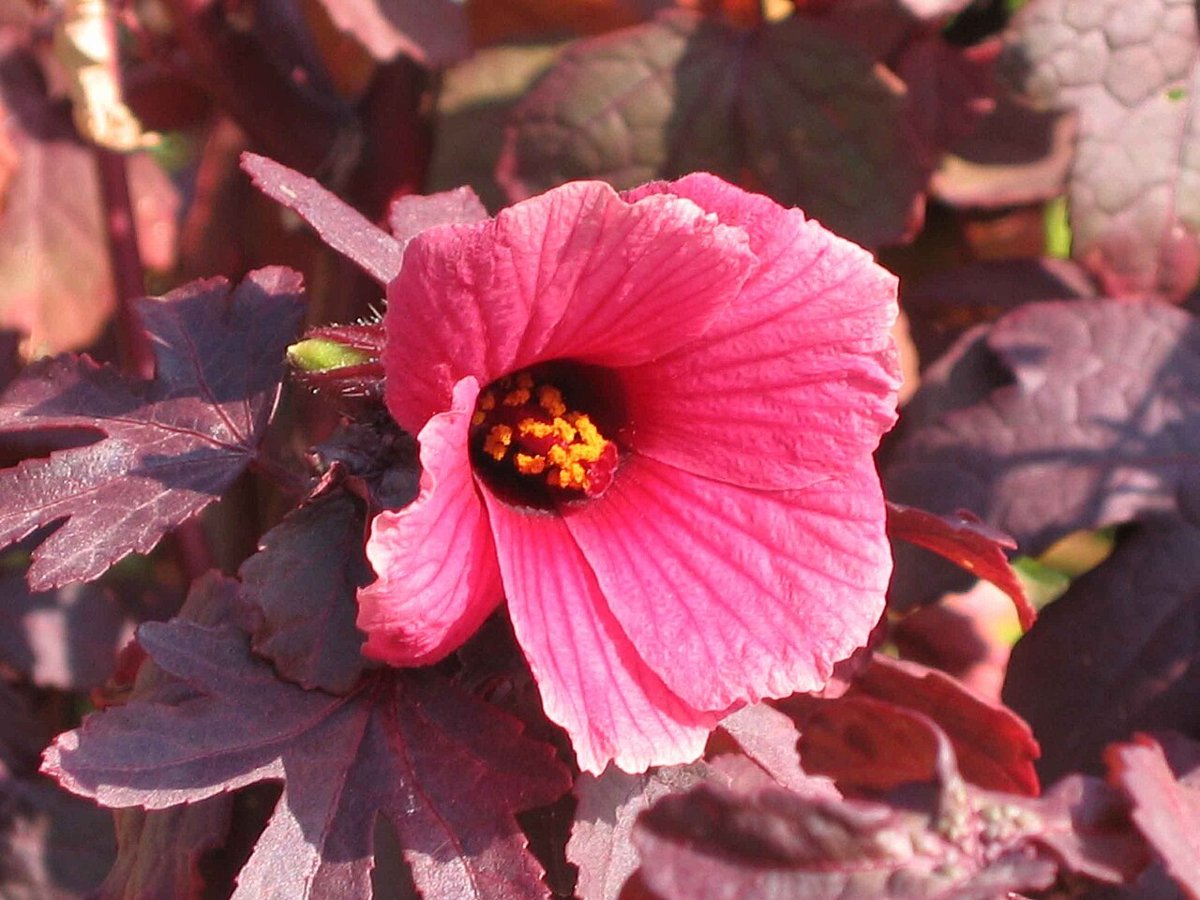
Cranberry hibiscus is grown mainly for its glossy burgundy, maple-like leaves rather than its flowers. It makes a dramatic background plant in borders and containers, and the young leaves are edible, with a slightly sour taste. Treat it as an annual where winters are cold.
8. Fringed hibiscus (Hibiscus schizopetalus)
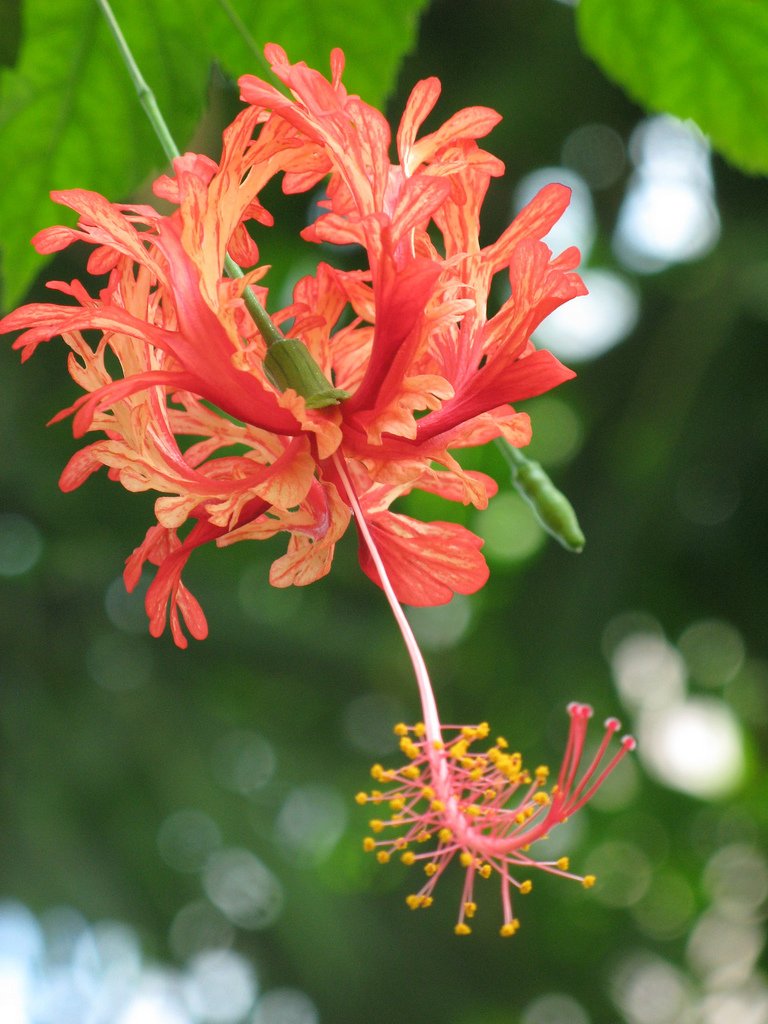
Also called coral hibiscus or Japanese lantern, this East African species has unusual hanging flowers with deeply cut, curled-back petals and a long dangling stamen. It needs tropical conditions or a warm greenhouse, but it is one of the most eye-catching hibiscus you can grow.
9. Hawaiian hibiscus
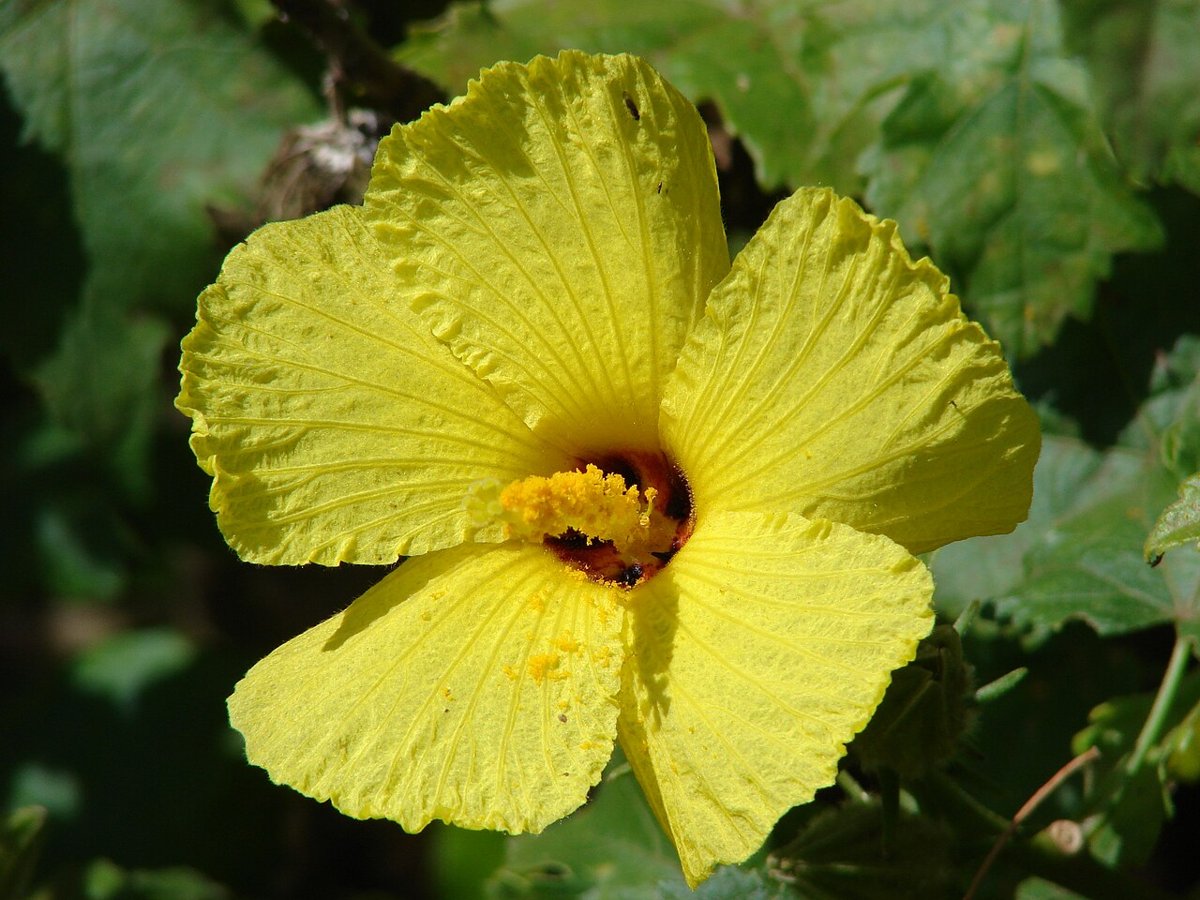
Hawaii has several native hibiscus species. The yellow Hibiscus brackenridgei, called ma’o hau hele, is Hawaii’s state flower and is now endangered in the wild. The fragrant white Hibiscus arnottianus is another native. Many of the tropical hibiscus sold as “Hawaiian” are actually hybrids of rosa-sinensis bred for spectacular colors.
How to choose the right hibiscus
- Cold winters (zones 4–6): hardy hibiscus or Rose of Sharon in the garden; tropical hibiscus only in pots you bring inside.
- Mild winters (zones 7–9): any of the hardy types plus Confederate rose and scarlet rosemallow.
- Frost-free gardens (zones 10–11): tropical, fringed and Hawaiian hibiscus all thrive.
- Small spaces and pots: compact hardy varieties such as the Luna series, or tropical hibiscus in a container.
- Wet soil: hardy hibiscus and scarlet rosemallow, which both grow naturally in marshes.
- Something to eat or drink: roselle for tea and cranberry hibiscus for leaves.
Hibiscus care basics
- Sun: at least six hours of direct sun a day for the most flowers.
- Water: keep the soil evenly moist, especially in hot weather and in pots. Hardy types tolerate wet soil; tropical types dislike sitting in water.
- Feeding: a balanced or bloom-boosting fertilizer every few weeks in the growing season. Tropical hibiscus prefers fertilizer that is low in phosphorus.
- Pruning: prune tropical hibiscus and Rose of Sharon in late winter or early spring, as they flower on new growth. Cut hardy hibiscus stems to the ground after they die back.
- Pests: watch for aphids, whitefly and Japanese beetles; a strong spray of water or insecticidal soap usually deals with them.
Planning more of your garden? Our gardening tips for beginners, DIY garden ideas and backyard ideas guides have plenty more inspiration.
Frequently asked questions
How many types of hibiscus are there?
There are several hundred species in the genus Hibiscus and thousands of named varieties. For gardeners, the main groups are tropical hibiscus, hardy hibiscus (rose mallow) and Rose of Sharon, plus a few speciality types such as roselle and Confederate rose.
What is the difference between tropical and hardy hibiscus?
Tropical hibiscus has glossy leaves, flowers year-round in warm climates and dies in frost. Hardy hibiscus has matte, heart-shaped leaves and even bigger flowers, dies back in winter and regrows from the roots in spring, surviving down to about -30°F (zone 4).
Which hibiscus is used for tea?
Hibiscus tea is made from the dried red calyxes of roselle, Hibiscus sabdariffa, not from ornamental garden hibiscus.
Does hibiscus come back every year?
Hardy hibiscus and Rose of Sharon come back every year in cold climates. Tropical hibiscus only survives outdoors where it doesn’t freeze; elsewhere it must spend winter indoors.
Why do hibiscus flowers only last one day?
Most hibiscus flowers naturally open for just a day or two. A healthy plant makes up for it by producing new buds continuously through its flowering season, so keep it watered and fed for a steady display.

Written by
Ideas, guides and real budgets for home, garden and travel, published on World inside pictures since 2013.