Not every room gets a sunny window, and in winter even the bright ones turn gray by mid-afternoon. The good news: plenty of houseplants are perfectly happy away from direct sun. Some of them actually do better there, because harsh light scorches their leaves. Pick the right plant, water it a little less than you think, and a dim hallway, a north-facing bedroom or a home office can still be green all year.
Here are 12 easy houseplants for low light, what each one needs, which are safe around cats and dogs, and the simple care habits that keep them alive.
What “low light” really means
Low light isn’t no light. No plant grows in a windowless bathroom or a dark closet without a grow light. In plant terms, low light usually means a spot a few meters from a window, a room with a north-facing window, or a corner that never gets a patch of sun. A quick test: at midday, hold your hand a few inches above the spot. If it casts only a faint, fuzzy shadow, that’s low light. If you can comfortably read a book there without a lamp, most of the plants below will cope.
Plants in low light grow slowly and use much less water. That’s the most important thing to remember, because overwatering kills far more low-light plants than darkness does.
12 easy houseplants for low light
1. Snake plant (Dracaena trifasciata)
The snake plant is the classic choice for beginners. Its stiff, upright leaves store water, so it shrugs off neglect, dry air and dim corners. In low light, water it only when the soil is completely dry, which may be every three to four weeks in winter. Its narrow shape fits beside a sofa, on a dresser or in an entryway. Pets: mildly toxic if chewed.
2. ZZ plant (Zamioculcas zamiifolia)
Glossy, dark green leaves that look almost polished, and thick underground rhizomes that hold water for weeks. The ZZ plant tolerates low light, irregular watering and air conditioning better than almost anything else. Let the soil dry out fully between waterings; yellow leaves almost always mean too much water. Pets: toxic if eaten.
3. Pothos (Epipremnum aureum)
If you want trailing vines on a shelf or bookcase, start with pothos. It grows quickly, roots easily in a glass of water, and tells you when it’s thirsty by drooping slightly. In low light, variegated types lose some of their pattern, so choose a mostly green variety like ‘Jade’ for the darkest spots. Pets: toxic.
4. Heartleaf philodendron (Philodendron hederaceum)
Soft, heart-shaped leaves on long trailing stems. It looks a lot like pothos and is just as forgiving, but the leaves are thinner and a little more delicate. Let it hang from a high shelf or train it up a small trellis. Water when the top few centimeters of soil are dry. Pets: toxic.
5. Cast iron plant (Aspidistra elatior)
The name says it all. Cast iron plants grew in dim Victorian parlors long before electric light, and they still handle deep shade, cool rooms and drafts. Growth is slow, so buy the size you want. Wide, dark leaves make it a good floor plant for a hallway. Pets: non-toxic.
6. Peace lily (Spathiphyllum)
One of the few low-light plants that flowers. Its white blooms appear more often in medium light, but the dark green leaves look good anywhere. A peace lily wilts dramatically when it needs water and perks up within hours of a drink, so it’s hard to miss the signal. Pets: toxic.
7. Chinese evergreen (Aglaonema)
Aglaonema comes in silver, green, pink and red patterns, so it adds color where flowers won’t grow. The darker green varieties handle the lowest light; pink and red ones need a little more. It dislikes cold drafts, so keep it away from doors in winter. Pets: toxic.
8. Parlor palm (Chamaedorea elegans)
A small, feathery palm that grows naturally under the forest canopy, so it’s used to filtered light. It brings a soft, tropical look to a bedroom or bathroom with a frosted window. Keep the soil lightly moist but never soggy. Pets: non-toxic.
9. Prayer plant (Maranta leuconeura)
Patterned leaves that fold up at night like hands in prayer. Prayer plants actually prefer to stay out of direct sun, which fades their markings. They like humidity, so a bathroom or a kitchen is ideal, and they’re happiest with slightly moist soil. Pets: non-toxic.
10. Spider plant (Chlorophytum comosum)
Spider plants grow fastest in bright, indirect light but tolerate medium to low light well. Hang one in a basket and it will send out little baby plants you can pot up and give away. Brown tips usually come from tap water or dry air, not from too little light. Pets: non-toxic.
11. Corn plant (Dracaena fragrans)
A tall, cane-like plant with arching leaves that adds height without needing a sunny spot. It grows slowly in low light, which makes it easy to keep in shape. Water when the top half of the soil is dry, and dust the leaves now and then. Pets: toxic.
12. Lucky bamboo (Dracaena sanderiana)
Not a true bamboo, but a dracaena that grows happily in a vase of water and pebbles. Change the water every week or two and keep it out of direct sun. It’s a good fit for a desk or a shelf where a pot of soil would be messy. Pets: toxic.
Pet-safe low-light plants at a glance
If you have cats or dogs that like to chew leaves, stick to the cast iron plant, parlor palm, prayer plant and spider plant. The others on this list can cause mouth irritation, drooling or an upset stomach if eaten, so keep them on high shelves or in rooms pets don’t use. When in doubt, check the plant on the ASPCA’s toxic and non-toxic plant list.
Where to put low-light plants
- Hallways and entryways: cast iron plant, snake plant or ZZ plant, all tough enough for drafts from the front door.
- North-facing bedrooms: parlor palm, peace lily or a snake plant on the dresser.
- Bathrooms with a small window: prayer plant, pothos or a parlor palm that enjoys the humidity.
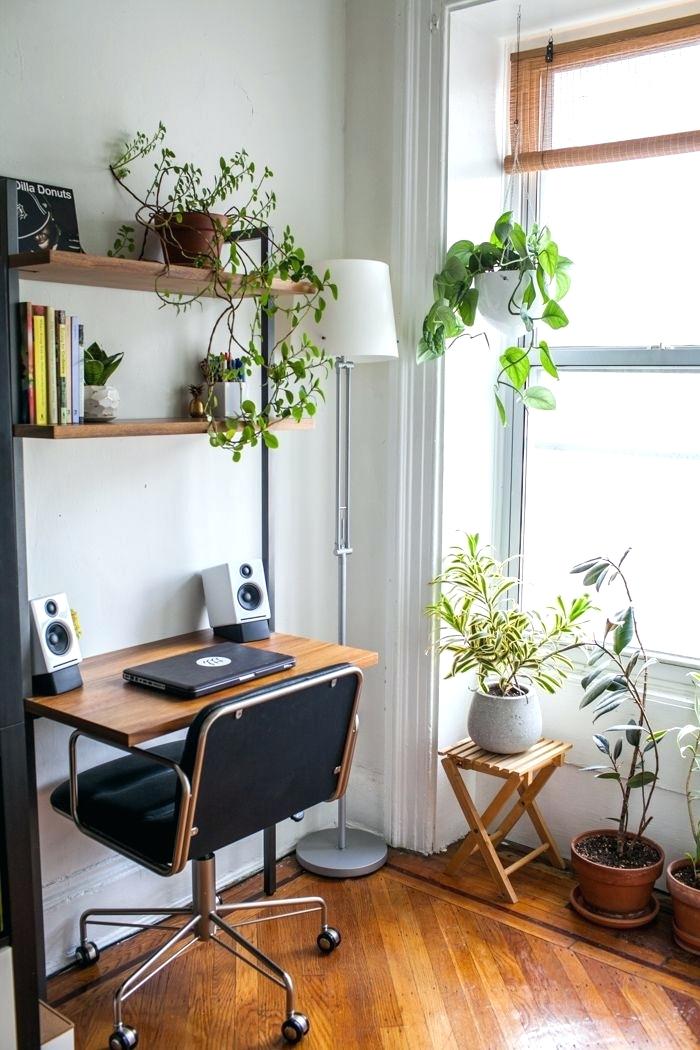
- Home office: trailing pothos or philodendron on a shelf, and lucky bamboo on the desk.
- Under the stairs: a group of large-leaved plants in matching pots, with a grow light if the spot is truly dark.
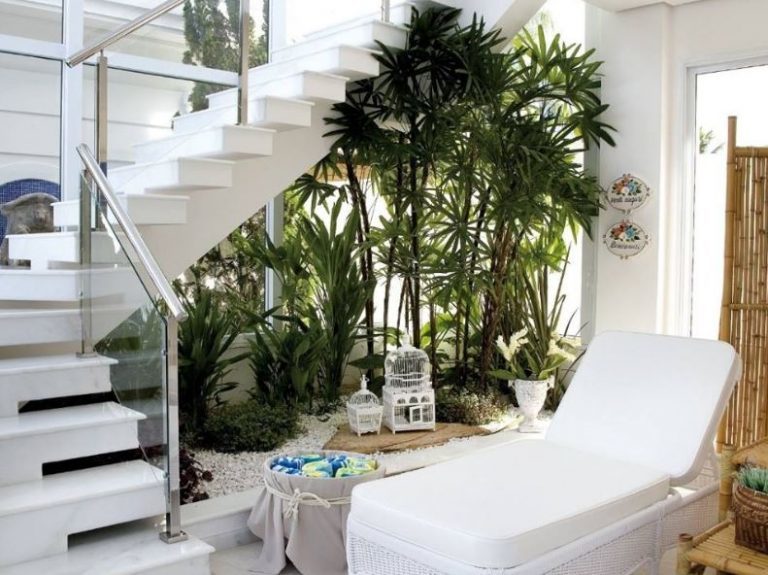
For more ideas on turning that awkward space into a green corner, see these indoor gardens under the stairs.
Care tips that keep low-light plants alive
Water less, and check first
A plant in low light uses water slowly, so soil stays wet much longer than it would on a sunny windowsill. Before watering, push a finger into the soil. If it’s still damp, wait. Always use pots with drainage holes and empty the saucer after watering. In winter, most of these plants need water only every two to four weeks.

Rotate and dust
Plants lean toward the light, so give the pot a quarter turn every time you water to keep growth even. Wipe large leaves with a damp cloth every month or so; a layer of dust blocks the little light the plant gets.
Skip the fertilizer in winter
Slow-growing plants need very little food. Feed them with a diluted houseplant fertilizer a few times in spring and summer, and not at all from late autumn to early spring.
Add a grow light for truly dark spots
If a room has no window at all, an inexpensive LED grow bulb in a regular lamp or a clip-on spotlight can keep a plant going. Leave it on for about 10 to 12 hours a day; a simple plug-in timer makes this effortless.
Repot only when needed
Low-light plants grow slowly and often stay in the same pot for two or three years. Repot in spring when roots poke out of the drainage holes, and go up only one pot size. Our guide on how to repot your plants covers it step by step.
Style them so they look intentional
A single plant in a nursery pot can look lost. Put it in a cover pot that matches your decor, raise it on a stand or a stack of books, and group two or three plants of different heights together. A tall snake plant, a trailing pothos and a low prayer plant make an easy trio for a sideboard. For more inspiration, browse these fresh plant decorating ideas and ways to dress up your window sills.

Low-light houseplant FAQ
What is the easiest houseplant for low light?
The ZZ plant and the snake plant are the hardest to kill. Both store water, tolerate dim rooms and only need watering every few weeks.
Can a plant live in a room with no windows?
Not for long on room lighting alone. With an LED grow light on for 10 to 12 hours a day, a ZZ plant, pothos or snake plant can do well in a windowless office or bathroom.
Why are the leaves on my low-light plant turning yellow?
Usually too much water. In low light the soil dries slowly, and soggy roots start to rot. Let the soil dry out more between waterings and make sure the pot drains.
Which low-light plants are safe for cats and dogs?
The cast iron plant, parlor palm, prayer plant and spider plant are all considered non-toxic to cats and dogs.

Written by
Ideas, guides and real budgets for home, garden and travel, published on World inside pictures since 2013.